

Missing teeth can affect much more than just the appearance of your smile. They affect how you speak, eat, and even how confident you feel in everyday life. For many people in Mesa, AZ, dental implants seem like the perfect solution—a permanent, natural-looking fix. But what if you also have gum disease? Can you still get dental implants?
It’s a question many patients ask, and the answer isn’t a simple yes or no. Let’s break down the key things you should be aware of.
Understanding the Link Between Gum Disease and Dental Implants
Gum disease, or periodontal disease, is a bacterial infection of the gums and supporting tissues around your teeth. Left untreated, it can cause bone loss, gum recession, and eventually tooth loss. Because dental implants rely on healthy gum and bone tissue to stay in place, advanced gum disease can complicate or delay implant treatment.
What Are Dental Implants?
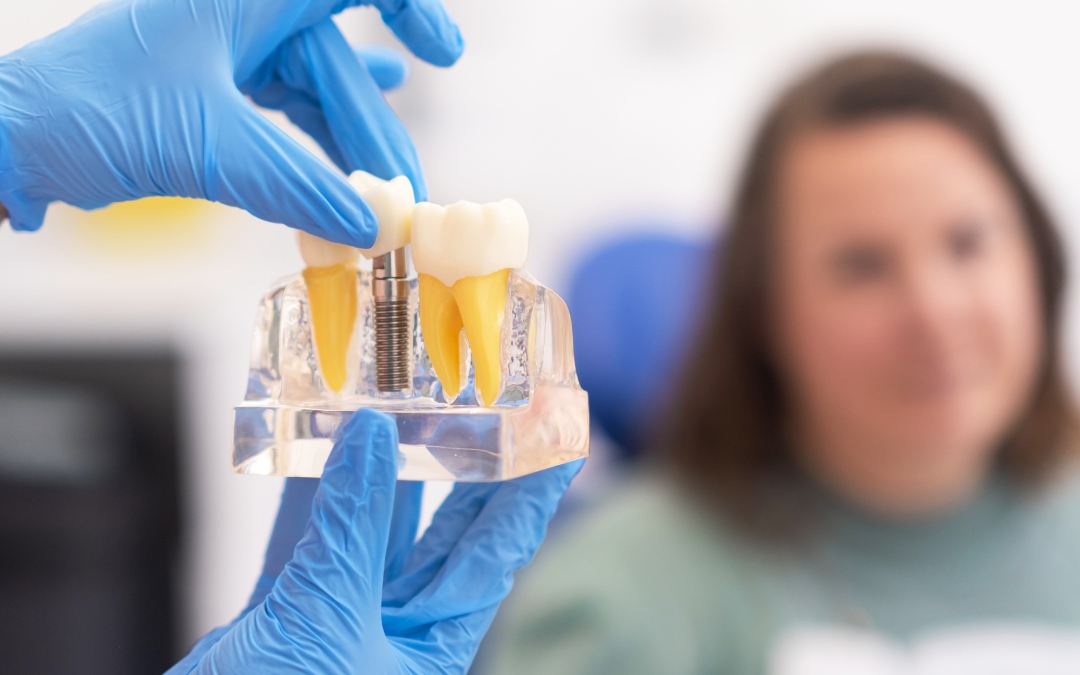
Dental implants are titanium posts that are surgically placed into the jawbone to act as artificial tooth roots. Once healed, a crown is attached, creating a strong, natural-looking replacement tooth. Compared to dentures or bridges, implants offer improved stability, function, and longevity.
Can You Get Dental Implants If You Have Gum Disease?
The Short Answer: Yes, But It Depends
If you currently have active gum disease, your dentist will likely recommend treating it first before considering implant placement. Here’s why:
-
Infection Risk: Placing implants in infected gum tissue increases the chance of failure.
-
Bone Loss: Advanced gum disease often leads to jawbone deterioration, making implant support difficult.
-
Healing Problems: Ongoing inflammation can prevent proper healing after implant surgery.
However, if your gum disease is well-managed or in remission, you may still be a candidate for dental implants.
Steps to Become Eligible for Dental Implants
If you’ve been told you have gum disease but are interested in implants, don’t lose hope. Here are the steps typically involved:
1. Periodontal Treatment First
Your dentist in Mesa will begin by addressing and treating the gum infection first. This may involve:
-
Deep cleaning (scaling and root planing)
-
Antibacterial rinses or antibiotics
-
Laser therapy or surgical treatments in advanced cases
2. Bone Grafting If Needed
If bone loss has occurred, a bone graft may be recommended to rebuild the jaw structure and improve implant success rates. Recovery may take several months.
3. Implant Placement
Once your gums are healthy and your bone is ready, your dentist can move forward with placing the implant.
According to the American Dental Association, gum health plays a critical role in long-term oral health, especially when considering restorative treatments like implants.
Why Choose Dental Implants Mesa Specialists?
If you’re in Mesa, AZ, choosing a local implant dentist who understands the unique oral health needs of the community is essential. From seasonal allergies that impact gum health to dry mouth concerns in Arizona’s climate, a local expert can provide tailored care.
Data-Driven Insight
A 2022 study published in the Journal of Periodontology found that patients with well-managed gum disease had nearly the same implant success rate (around 90-95%) as those with no history of gum disease.
This data shows that gum disease doesn’t have to disqualify you—as long as it’s properly treated and monitored.
FAQs About Dental Implants and Gum Disease
Q: Will gum disease return after I get implants?
A: It’s possible if oral hygiene isn’t maintained. Regular cleanings and at-home care are crucial.
Q: Can smokers with gum disease get implants?
A: Smoking affects gum health and healing. Your dentist may advise quitting to improve success chances.
Q: Are implants better than dentures for someone with gum issues?
A: Implants can be a better long-term option if your gum health is stabilized, as they prevent bone loss and improve comfort.
Q: How long does it take to become eligible after gum disease treatment?
A: It varies. Mild cases may only need weeks, while advanced conditions requiring bone grafts can take several months.
Key Takeaways
-
You can get dental implants even if you have gum disease, but proper treatment and recovery protocols are essential.
-
Healthy gums and sufficient bone are crucial for implant success.
-
Working with a local dental implants Mesa provider ensures personalized, climate-aware care.
-
Ongoing maintenance and oral hygiene will protect your investment.
Ready to Take the Next Step?
If you’ve experienced tooth loss and struggle with gum health, don’t wait. Schedule an appointment with your local implant dentist to explore your options for a healthier, more confident smile!