

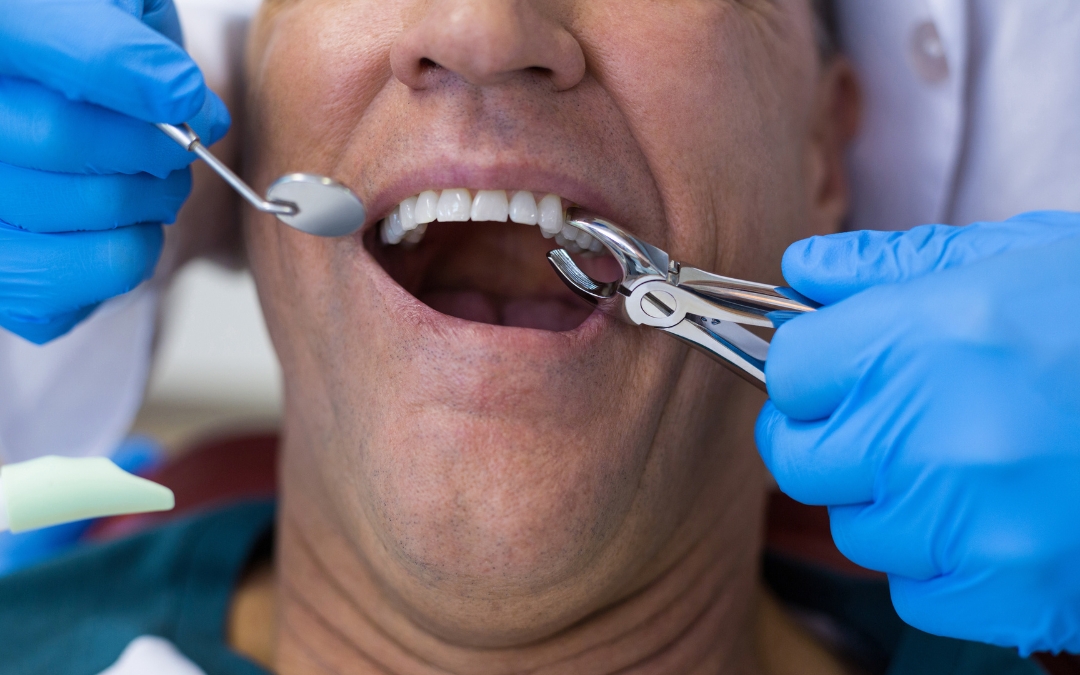
Having a tooth removed is one of those things most people just want to “get over with.” But once it’s done, the real focus should shift to healing properly. The first few days after an extraction are especially important, and even small habits—like how you drink or swallow—can affect your recovery more than you might expect.
It may sound odd at first, but swallowing the wrong way can actually interfere with healing. That’s because your mouth is trying to protect itself, and anything that disrupts that process can lead to a painful condition called dry socket.
What’s Happening in Your Mouth After an Extraction?
Right after your tooth is removed, your body quickly gets to work forming a blood clot in the empty space. This clot isn’t just there by chance—it acts like a protective seal over the area, covering sensitive bone and nerve endings underneath.
If that clot moves or dissolves too soon, the area becomes exposed. That’s when dry socket can develop, and it’s usually much more uncomfortable than the extraction itself.
Why Swallowing Carefully Actually Matters
Most people don’t think twice about swallowing—it’s automatic. But after an extraction, sudden pressure changes in your mouth can affect the clot. Things like gulping liquids, using a straw, or even swallowing forcefully can create enough movement to disturb it.
If you’ve recently gone through oral surgery in Mesa, being a bit more aware of these small actions can really help protect the healing area and keep things on track.
Simple Ways to Swallow Safely
You don’t need to change everything—just slow things down a bit and be mindful.
Take small, steady sips when drinking instead of large gulps. This keeps pressure low inside your mouth. When you swallow, try keeping your head in a neutral or slightly forward position so liquids don’t rush toward the surgical area.
One important tip: skip the straw completely for now. The suction it creates is one of the quickest ways to dislodge the clot without realizing it.
Getting Back to Normal Habits
It’s natural to want to eat and drink like you normally do, but your mouth needs a little time to recover. For the first couple of days, softer foods and gentle swallowing are your safest bet.
As the area starts to feel better, you can slowly go back to your usual routine. There’s no need to rush it—healing tends to go smoother when you ease into things instead of forcing it.
Foods That Help (and Ones That Don’t)
During recovery, your food choices can either support healing or make things harder.
Stick with soft, easy foods like smoothies, yogurt, mashed vegetables, or soups that aren’t too hot. These are gentle on the extraction site and don’t require much chewing.
Try to avoid anything crunchy, spicy, or very hot. These can irritate the area or even disturb the clot. Sticky foods aren’t ideal either, since they can cling to the healing site.
And while staying hydrated is important, just remember—slow and steady wins here.
The Most Common Cause of Dry Socket
In simple terms, dry socket happens when the protective clot doesn’t stay in place long enough. That can be due to:
- Suction from straws
- Smoking or tobacco use
- Touching the area too much
- Not following aftercare instructions
Even habits like forceful rinsing or spitting can play a role, which is why dentists emphasize being gentle during recovery.
What Happens If You Do Get Dry Socket?
If dry socket develops, it’s not something to ignore—but it is treatable.
A dental professional will clean the area and may place a soothing, medicated dressing to help reduce pain and support healing. You might also be given medication or a rinse to keep things comfortable while the area recovers.
If anything feels off or more painful than expected, reaching out to a dentist in Mesa can help you get relief quickly and avoid further complications.
How Long Do You Need to Be Careful?
The first 3 to 5 days are when you need to be the most cautious. That’s when the clot is still settling and most vulnerable.
After that, the risk gradually lowers as healing continues. Even so, it’s a good idea to stay mindful for about a week and follow your dentist’s instructions closely.
Signs Something Isn’t Healing Right
Some soreness is normal, but certain symptoms shouldn’t be ignored. It’s best to get checked if you notice:
- Pain that gets worse instead of better
- An unpleasant taste or smell
- Ongoing bleeding
- Swelling or fever
- Difficulty swallowing or opening your mouth
Catching issues early can make recovery much easier.
Frequently Asked Questions
Do I need to think about swallowing every time?
Not constantly—just be a bit mindful for the first few days. Avoid forceful movements or anything that creates pressure.
Can I drink water normally?
Yes, just sip it slowly. There’s no need to rush.
When can I stop being careful?
Most people can relax after about a week, but always follow your dentist’s advice.
Is using a straw really that risky?
Yes, especially early on. The suction can easily disturb the clot.
What does dry socket pain feel like?
It’s usually more intense than normal healing pain and may spread to your ear or jaw.
Healing after a tooth extraction is mostly about being a little patient and a little careful. Small changes—like how you swallow or what you eat—can make a big difference in how smoothly things go. If you ever feel unsure about your recovery, it’s always better to check in—schedule an appointment and get the reassurance you need.