

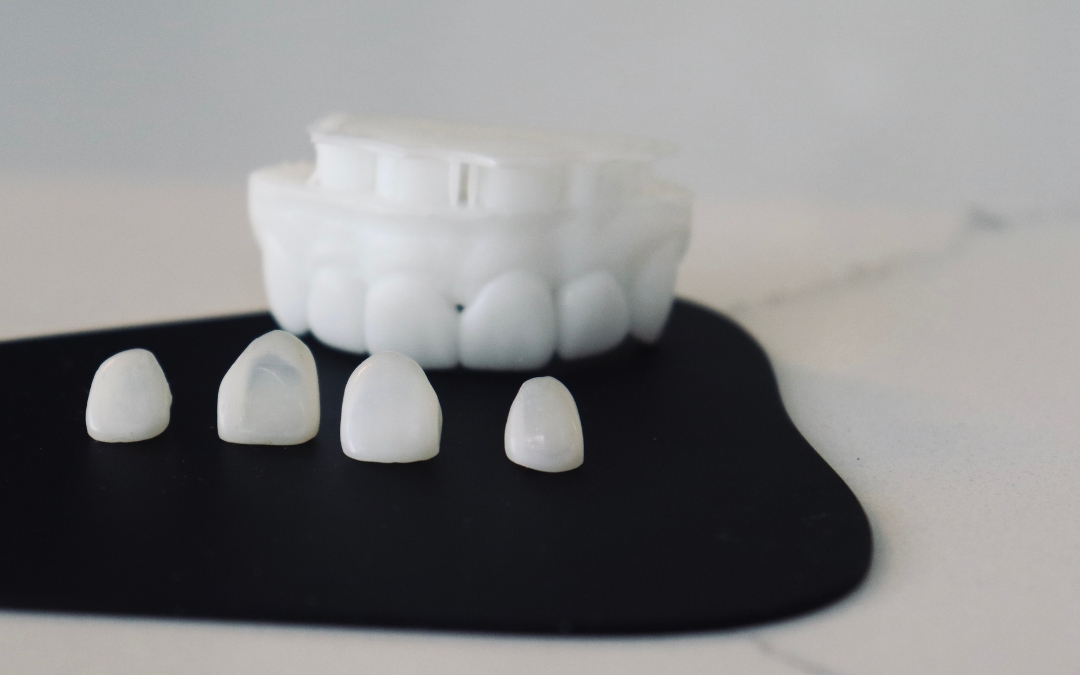
Dental crowns are designed to protect teeth that have been weakened by decay, injury, or extensive dental treatment. They fit over a tooth like a protective cover, helping restore its strength, appearance, and ability to function normally. While crowns are built to last for many years, there may come a time when one needs to be removed because of damage, wear, or changes in the health of the tooth underneath.
If your dentist tells you that a crown needs to come off, it’s natural to have questions. Many people wonder if the process will hurt, how the crown is removed, and what happens next. The good news is that crown removal is a common dental procedure that can usually be completed safely and comfortably.
Patients who receive dental crowns Mesa treatments often ask whether replacing an older crown is complicated. In reality, dentists use specialized techniques and instruments to remove crowns carefully while protecting the natural tooth beneath them whenever possible.
Every situation is different, but the goal remains the same: to address the underlying issue and restore the tooth so it can continue to function properly for years to come.
Reasons a Dental Crown May Need to Be Removed
Although crowns are strong and durable, they are not immune to problems. Several situations may require a dentist to remove an existing crown.
Decay Beneath the Crown
A crown covers a tooth, but bacteria can sometimes find their way around the edges where the crown meets the tooth. If decay develops underneath, the crown must be removed so the damaged area can be cleaned and treated.
Cracks or Damage
Just like natural teeth, crowns can crack, chip, or wear down over time. This can happen because of normal chewing, teeth grinding, or an unexpected accident.
Loose or Poorly Fitting Crowns
A crown that shifts, feels loose, or no longer fits correctly can create discomfort and may allow bacteria to enter around the restoration.
Problems with the Underlying Tooth
Sometimes the issue is not the crown itself. Infection, structural damage, or other concerns affecting the tooth may require the crown to be removed so the dentist can access and treat the area.
When you visit a dentist Mesa patients trust for restorative care, a thorough examination helps determine why the crown needs attention and what treatment option will provide the best long-term outcome.
What Happens During Crown Removal?
Step 1: Examination and Planning
Before removing the crown, your dentist will carefully evaluate the tooth and surrounding tissues. Digital X-rays may be taken to look for hidden problems such as decay, infection, or fractures.
Step 2: Making You Comfortable
Local anesthesia is typically used to numb the area before treatment begins. This helps ensure that you remain comfortable throughout the procedure.
Step 3: Loosening the Crown
The dentist uses precise instruments to separate the crown from the cement that holds it in place. Depending on the material and condition of the crown, different techniques may be used.
Step 4: Removing the Crown
Once the crown has been loosened, it is carefully removed. In some cases, the restoration can be lifted off as a single piece. In others, it may need to be cut into sections to prevent unnecessary stress on the underlying tooth.
Step 5: Evaluating the Tooth
After the crown is removed, the dentist examines the tooth closely. This allows any hidden problems to be identified and treated before a new restoration is placed.
What Happens After the Crown Is Removed?
The next step depends on the condition of the tooth. Your dentist may recommend:
- Removing and repairing decay
- Treating a cracked or weakened tooth
- Performing root canal treatment if infection is present
- Placing a temporary crown
- Creating a new permanent crown
- Discussing alternative restorative solutions when appropriate
The treatment plan is customized to restore both the health and function of the tooth.
Is Removing a Dental Crown Painful?
Most patients are pleasantly surprised by how comfortable the procedure is. Because the area is numbed beforehand, pain is usually not a concern during treatment. You may feel some pressure or vibration, but significant discomfort is uncommon.
After the procedure, mild sensitivity may occur for a short period, especially if additional treatment is needed. However, this generally improves quickly and can often be managed with routine aftercare instructions from your dentist.
Why Professional Crown Removal Is Important
Trying to remove a crown on your own can cause serious damage to the tooth, surrounding gums, and nearby dental work. Crown removal requires professional training, specialized equipment, and a careful approach to protect the remaining tooth structure.
At Rauch Family Dentistry, patient comfort and long-term oral health are always the priority. By addressing problems early, dentists can often prevent more extensive treatment in the future.
Final Thoughts
Having a dental crown removed may sound intimidating, but it is a routine procedure that dentists perform regularly. Whether the crown has become worn, damaged, loose, or is hiding an issue beneath the surface, careful removal allows your dentist to protect your oral health and restore your tooth properly. Modern techniques make the process more comfortable and efficient than ever, helping you return to normal activities with confidence.
Schedule an appointment with Rauch Family Dentistry in Mesa, AZ, today to have your crown evaluated and learn about the best options for protecting your smile.
Frequently Asked Questions
How long does it take to remove a dental crown?
Most crown removal appointments take between 20 and 45 minutes, although treatment time can vary depending on the condition of the crown and tooth.
Can a dental crown be put back on after removal?
Sometimes it can, but many crowns need replacement because they become damaged during removal or no longer fit properly.
Will I leave the office without a crown?
Not usually. If a new crown is being made, your dentist will often place a temporary restoration to protect the tooth.
What if there is decay under my crown?
The decay will be removed and treated before a new restoration is placed.
How can I tell if my crown needs attention?
Common signs include sensitivity, discomfort while chewing, visible damage, looseness, or changes in the way your bite feels.