

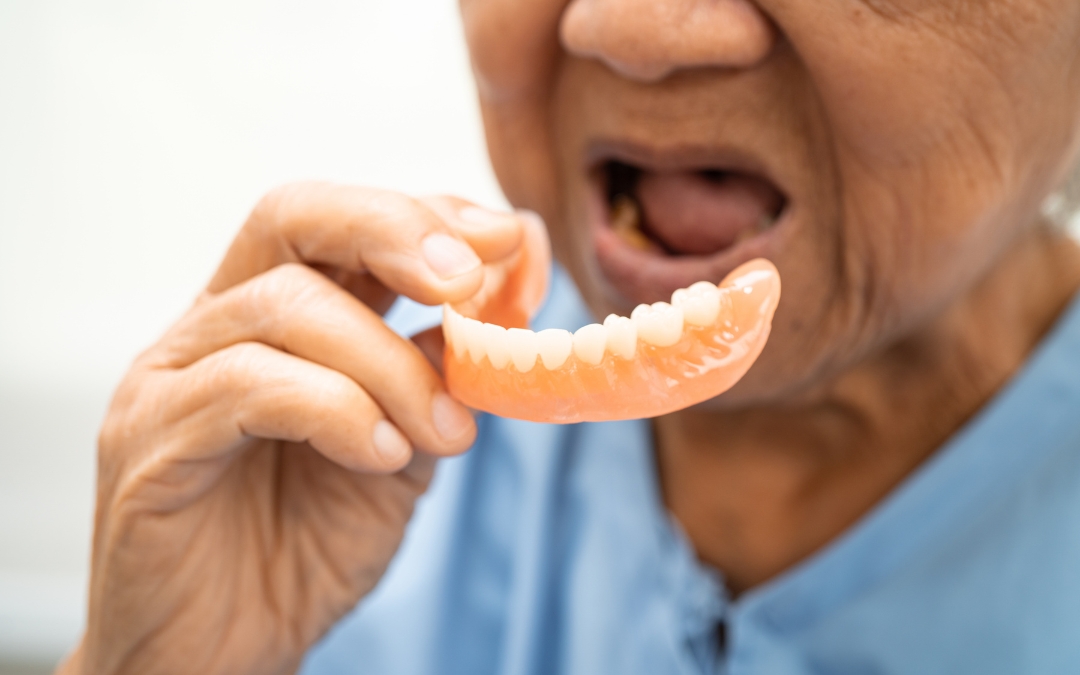
Dentures are meant to help you feel comfortable when you smile, eat, and speak. But after wearing them for a while, many people start noticing that they don’t fit the same way they used to. Dentures may begin to slide around, feel unstable, or create sore spots on the gums. When that happens, everyday activities can quickly become frustrating.
A loose denture does not always mean you need a completely new set. In many cases, changes in your mouth over time are responsible for the problem. Understanding why dentures shift and knowing when to seek help can make a big difference in your comfort.
If you’ve been struggling with dentures that no longer feel secure, visiting a reliable dentist in Mesa, AZ is a good place to start. At Rauch Family Dentistry, Dr. Cory Rauch helps patients improve denture comfort with personalized care and practical treatment options.
Why Dentures Stop Fitting Properly
Dentures are designed to fit the shape of your mouth, but your mouth naturally changes over time. Because of this, dentures that once felt comfortable may eventually loosen.
The Shape of the Jaw Changes
After teeth are lost, the jawbone slowly loses volume because it no longer supports natural tooth roots. As the bone shrinks, the gums and jawline change shape, which affects how dentures sit in the mouth.
Daily Use Causes Wear
Dentures go through constant pressure from chewing and speaking. Years of everyday use can gradually wear down the material and affect the fit.
Gum Changes Can Affect Stability
Even small changes in gum tissue may cause dentures to shift more than usual. Weight changes, aging, and oral health conditions can all contribute to this.
Signs That Your Dentures May Be Loose
Sometimes denture problems develop slowly, making them easy to ignore at first.
You might notice:
- Dentures moving while you talk
- Trouble chewing certain foods
- Clicking noises when speaking
- Gum tenderness or irritation
- Food getting trapped underneath the denture
- A feeling that the dentures no longer “sit right”
These issues may seem minor initially, but they can worsen if left untreated.
Small Things You Can Try at Home
There are a few ways to improve comfort temporarily before visiting your dentist.
Clean Dentures Thoroughly Every Day
Plaque, food debris, and leftover adhesive can affect how dentures fit.
To keep dentures cleaner:
- Brush them gently every morning and night
- Use products designed specifically for dentures
- Remove old adhesive completely before adding new adhesive
- Soak dentures overnight to help maintain their shape
Hot water should be avoided because it can damage or warp the material.
Don’t Overuse Denture Adhesive
Adhesive may help dentures feel more stable for a short period, but using too much can create additional discomfort. A small amount is usually enough.
If you constantly need adhesive just to keep dentures in place, it may be time for a professional adjustment.
Temporary Reliners Can Help Short-Term
Some people try soft liners or at-home reline kits to improve the fit. These products may help for a limited time, but they are not designed to replace professional dental treatment.
When It’s Time to Visit a Dentist
Loose dentures are not something you should ignore for too long. A professional evaluation can help prevent irritation and future complications.
Soreness That Doesn’t Go Away
Dentures should not cause ongoing pain. Persistent irritation often means the fit is no longer correct.
Difficulty Eating or Speaking
When dentures interfere with daily life, adjustments may be necessary to restore comfort and function.
Cracks or Damage
Damaged dentures may fit poorly and irritate the gums. Repairing them yourself can sometimes make the problem worse.
Seeing a dentist in Mesa, AZ can help you determine whether your dentures simply need adjustments or if another solution would work better.
Treatment Options for Loose Dentures
Several professional treatments can improve how dentures fit and feel.
Denture Relining
Relining adds fresh material to the inner side of the denture to improve contact with the gums. This can help create a more secure fit.
Denture Rebasing
If the denture teeth still look good but the base is worn down, rebasing may rebuild the denture foundation without replacing the entire appliance.
Implant-Supported Dentures
Some patients choose implant-supported dentures for extra stability. Dental implants help anchor the dentures more securely and reduce slipping during eating or speaking.
At Rauch Family Dentistry, Dr. Cory Rauch works with patients to find solutions that improve both comfort and confidence.
How to Keep Dentures Fitting Better for Longer
Although natural mouth changes cannot be completely stopped, proper care can help reduce problems over time.
Be Consistent With Cleaning
Daily cleaning helps prevent buildup that may affect the fit and feel of your dentures.
Handle Dentures Carefully
Dropping dentures can damage their shape. It’s best to clean them over a folded towel or sink filled with water.
Visit Your Dentist Regularly
Routine checkups allow small fit issues to be corrected before they become more uncomfortable.
Maintain Healthy Habits
A balanced diet and good oral hygiene habits support healthier gums and overall oral health.
Final Thoughts
Loose dentures are a common problem, especially after years of wear, but they do not have to affect your quality of life. Paying attention to early signs and getting professional care can help you avoid unnecessary discomfort.
In some cases, a simple adjustment may be enough. In others, treatments like relining or implant-supported dentures may provide better long-term comfort and stability.
If your dentures no longer feel secure, schedule an appointment with Rauch Family Dentistry in Mesa, AZ, and let Dr. Cory Rauch help you restore a more comfortable and confident smile.
Frequently Asked Questions
Why do dentures become loose over time?
The jawbone and gum tissue naturally change after tooth loss, which can affect how dentures fit over the years.
Can loose dentures cause sore gums?
Yes. Dentures that move too much may rub against the gums and create irritation or painful spots.
Should I wear dentures overnight?
Most dentists recommend removing dentures while sleeping to give the gums time to rest and recover.
How often should dentures be checked?
Regular dental visits are important for monitoring denture fit and making adjustments when needed.
Can dental implants help with loose dentures?
Yes. Implant-supported dentures can improve stability and help reduce slipping while eating or speaking.