

Methemoglobinemia — quite the mouthful, isn’t it? But what exactly is this condition, and why should it concern you, especially in a dental setting?
Methemoglobinemia is a rare blood disorder where an abnormal amount of methemoglobin is produced. Methemoglobin is a type of hemoglobin that carries oxygen but cannot release it effectively to body tissues. This leads to reduced oxygen supply throughout the body, even when you’re breathing normally.
What Causes Methemoglobinemia?
You might be wondering: Why is a dental blog talking about a blood disorder? The answer is benzocaine — a common topical anesthetic used in dentistry to relieve pain.
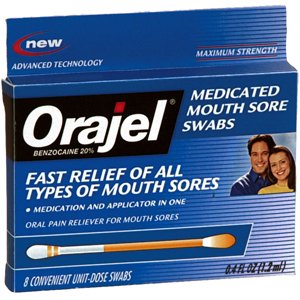
In rare cases, benzocaine can trigger methemoglobinemia, especially in children under 2. That’s why its use is discouraged in infants. One of the most well-known products containing benzocaine is Orajel, widely used in dental offices and available over-the-counter.
There are two types of methemoglobinemia:
-
Type 1 (Erythrocyte Reductase Deficiency) – Occurs when red blood cells lack the enzyme needed to release oxygen.
-
Type 2 (Generalized Reductase Deficiency) – Occurs when the enzyme is inactive throughout the entire body.
Symptoms of Methemoglobinemia
Symptoms usually appear within minutes or hours after benzocaine administration. If you or your child experience any of the following, seek immediate medical attention:
-
Pale, gray, or blue-colored skin, lips, or nail beds
-
Shortness of breath
-
Fatigue
-
Confusion
-
Headache or dizziness
-
Rapid heart rate
If left untreated, methemoglobinemia can lead to brain damage or death.
Treatment Options
The most common treatment is methylene blue, a medication that reduces methemoglobin levels. However, it’s not suitable for individuals with G6PD deficiency. In such cases, alternatives like ascorbic acid or hyperbaric oxygen therapy are used.
Can Methemoglobinemia Be Prevented?
While it is rare, families with a history of the disorder should consider genetic testing. For everyone else, it’s simply wise to inform your dentist in Mesa of any unusual reactions to anesthetics and avoid unnecessary use of benzocaine-based products in young children.
Methemoglobinemia is extremely uncommon, but understanding the risks — especially in dental care — is essential. At your next dental visit, don’t hesitate to ask your provider about the anesthetics being used and share your full medical history for a safer experience.