

When you lose a tooth, it’s easy to think it only affects your smile. But the truth is, missing teeth can slowly change the way your jaw functions, the balance of your bite, and even lead to discomfort in the temporomandibular joint (TMJ). People often overlook how much the jawbone, muscles, and bite alignment work together. For many in Mesa dealing with tooth loss and jaw pain, dental implants may offer more than just a cosmetic fix—they can restore balance and reduce strain on the jaw.
Why Jaw Alignment Matters More Than You Think
The jaw doesn’t just help you chew—it also supports facial structure and keeps your bite in harmony. When teeth shift due to gaps, the jaw muscles work harder to compensate. Over time, this imbalance can create tension, headaches, and even TMJ issues. Research shows that misaligned bites can increase the risk of jaw pain and uneven tooth wear, making early intervention important.
The Role of Dental Implants in Jaw Balance
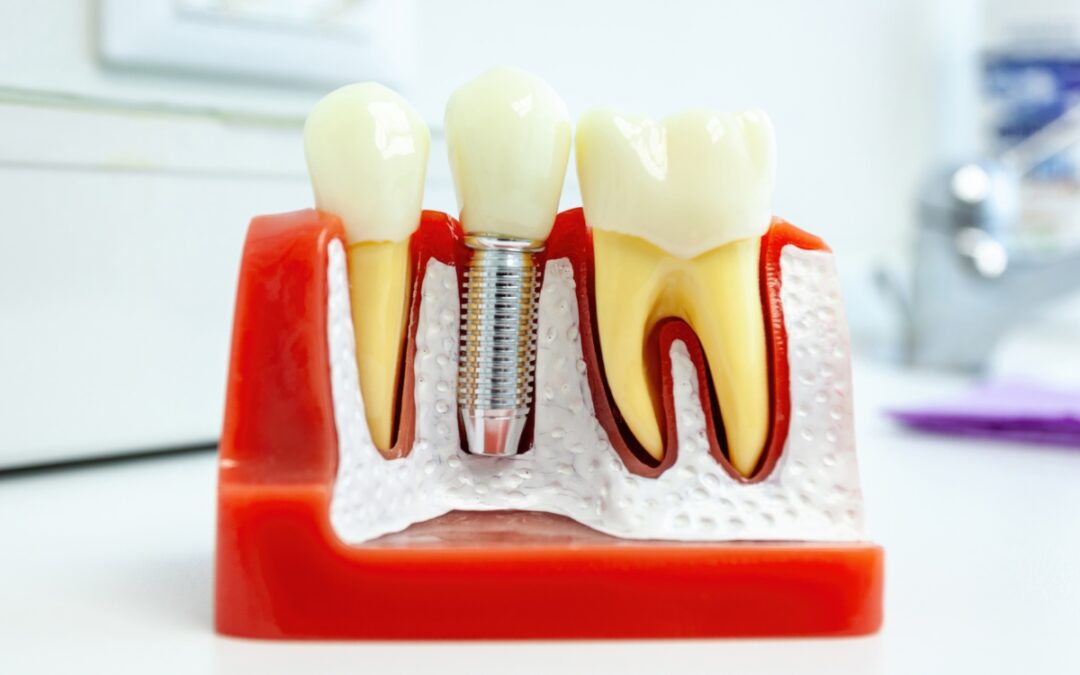
Dental implants in Mesa have become a trusted solution not only for replacing missing teeth but also for maintaining jaw balance. Unlike dentures or bridges, implants integrate with the bone, creating stable support that mimics natural tooth roots. This stability helps keep teeth from drifting into open spaces, preventing further misalignment.
-
Bite correction: Implants restore proper bite force, allowing teeth to meet evenly.
-
Jaw balance: By filling gaps, they prevent neighboring teeth from shifting out of place.
-
Occlusion support: Implants help stabilize occlusion (the way upper and lower teeth meet), reducing strain on the TMJ.
According to the American Dental Association (ADA), dental implants can play a significant role in preserving oral health by supporting natural jawbone strength and function.
Can Dental Implants Ease TMJ Symptoms?
TMJ disorders can be caused by many factors—stress, grinding, arthritis, or structural imbalances. Missing teeth can make the problem worse, as the jaw shifts unnaturally. While implants don’t directly “treat” TMJ disorders, they can reduce some contributing factors. By restoring proper alignment and distributing bite forces evenly, implants may lower stress on the joint.
Studies suggest patients with restored occlusion often report less jaw discomfort and fewer headaches. However, results depend on the individual, which is why consulting a dentist Mesa patients trust is key before pursuing implants for TMJ relief.
Local Insight: Why Mesa Residents Consider Implants
Mesa has a growing population seeking long-term solutions for missing teeth. With dental implants, patients often find that their chewing improves, their jaw feels more balanced, and their confidence returns. Many local patients share that correcting misalignment with implants not only helped with function but also with preventing future dental issues.
Visiting a dentist in Mesa familiar with both implant dentistry and jaw alignment ensures you receive personalized care that addresses both cosmetic and functional concerns.
When to Talk to Your Dentist About Implants and Jaw Issues
It may be time to explore dental implants if you:
-
Have missing teeth and notice shifting in your bite
-
Experience jaw clicking, popping, or stiffness
-
Struggle with uneven chewing or jaw soreness
-
Want to protect your jawbone from further bone loss
A dentist can evaluate your occlusion, jaw health, and bone density before recommending implants. For some patients, additional treatments like bite adjustment or orthodontics may be combined with implants to achieve full balance.
FAQs About Dental Implants and Jaw Alignment
Do dental implants stop bone loss?
Yes. Implants fuse with the jawbone, stimulating it like natural roots, which prevents the bone from shrinking over time.
Can dental implants fix TMJ disorders completely?
Not always. While they can reduce strain caused by missing teeth, TMJ disorders often have multiple causes. Implants are part of a bigger treatment plan.
Are implants better than dentures for jaw balance?
Yes. Dentures rest on the gums and don’t support the bone, while implants provide stable jaw support and help maintain alignment.
How long before implants improve bite correction?
Patients often notice changes after healing and crown placement—usually within a few months, depending on their treatment plan.
Final Thoughts
Dental implants go beyond filling gaps—they restore jaw balance, support healthy occlusion, and may even help ease TMJ discomfort. For Mesa residents living with missing teeth or jaw pain, implants can be a life-changing solution that combines strength, comfort, and long-term stability.
If you’ve been considering this treatment, consulting a trusted dentist can help you understand your options and take the next step toward a healthier, more comfortable smile.
Schedule an appointment today and find out how dental implants can support your jaw health and overall well-being.