

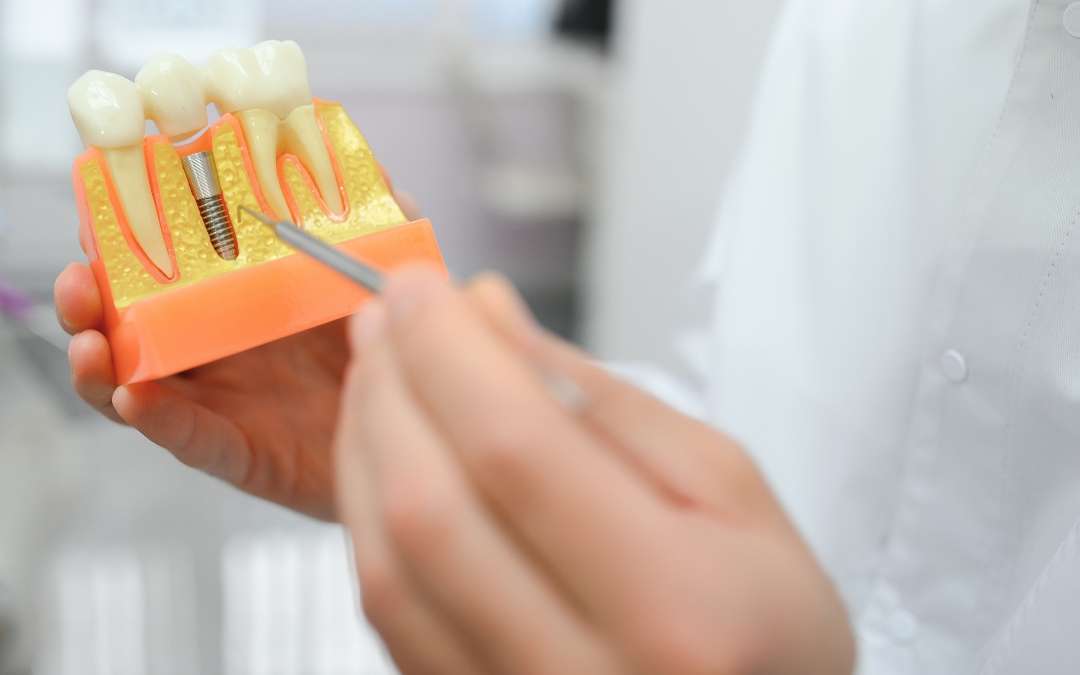
If you’ve been told you need a dental bone graft, it’s completely normal to have questions—especially about healing and what comes next. In simple terms, a bone graft is a procedure that rebuilds areas of the jaw where bone has weakened or shrunk. This often happens after tooth loss, gum disease, or injury.
Your jawbone plays a bigger role than most people realize. It supports your teeth, keeps your bite aligned, and even helps maintain the natural shape of your face. When bone starts to fade, it can affect both function and appearance, which is why restoring it early can make a big difference.
Many patients consider bone grafting as part of planning for dental implants Mesa. Since implants need a solid foundation to stay secure, grafting helps create the right conditions for long-term success.
Why You Might Need a Bone Graft
Bone doesn’t just stay in place on its own—it needs stimulation from your teeth to maintain its strength. When a tooth is removed or lost, that stimulation disappears, and the bone in that area can slowly break down.
A bone graft can help:
- Protect the jaw after an extraction
- Rebuild bone lost due to gum disease
- Prepare for implants or other restorations
- Improve overall oral structure and balance
In many cases, it’s a proactive step that prevents bigger dental issues later on.
Understanding the Types of Bone Grafts
Not all bone grafts are the same. Your dentist will choose the right type based on your needs and comfort level.
- Autograft: Uses a small amount of your own bone, often taken from another area in your mouth
- Allograft: Uses donor bone that has been carefully processed and sterilized
- Xenograft: Uses bone material from animal sources, typically treated for safe use
Each option is designed to support new bone growth while blending naturally with your existing jaw.
What Healing Feels Like
After the procedure, your body gets to work right away. The first few days are usually the most noticeable—you might have some swelling, mild discomfort, or sensitivity around the area. This is your body’s natural response and part of the healing process.
Within a few weeks, things typically start to settle down. Under the surface, though, your body is doing something important: building new blood supply and laying the groundwork for new bone.
As healing continues, your dentist Mesa will keep an eye on your progress to make sure everything is developing as it should.
A Simple Timeline of Recovery
While everyone heals a bit differently, here’s a general idea of what most people experience:
Week 1–2:
This is the recovery phase you’ll feel the most. Swelling, tenderness, and a need for softer foods are all normal.
Month 3–4:
You’ll likely feel back to normal day-to-day, but internally, new bone is still forming and strengthening.
Month 6–9 (or beyond):
By this stage, the graft has usually fused well with your natural bone. Your dentist will check if you’re ready for the next step, like placing an implant.
What Can Affect Healing?
Healing doesn’t follow the exact same timeline for everyone. A few factors can speed things up—or slow them down:
- The size and complexity of the graft
- Your age and general health
- Habits like smoking or alcohol use
- How closely you follow aftercare instructions
Even small things, like sticking to a soft diet or keeping the area clean, can make a noticeable difference.
Tips to Help You Heal Comfortably
A smooth recovery often comes down to simple, consistent care:
- Take medications exactly as prescribed
- Use cold packs to manage swelling in the first couple of days
- Choose easy-to-eat foods like soups, yogurt, and mashed vegetables
- Avoid crunchy, spicy, or very hot foods early on
- Brush gently and avoid disturbing the treated area
- Give your body time to rest, especially in the first few days
Your dentist will also schedule follow-up visits to make sure everything is healing properly.
When Something Doesn’t Feel Right
Some discomfort is expected, but trust your instincts. If something feels off, it’s always better to check in.
Watch for:
- Pain that gets worse instead of better
- Ongoing bleeding
- Fever or unusual swelling
- A bad taste or odor from the area
- Numbness that doesn’t improve
Catching issues early helps keep your recovery on track.
Healing from a dental bone graft takes patience, but it’s a meaningful step toward restoring your smile and protecting your oral health. If you’re considering treatment or want to understand your options better, schedule an appointment today to get started with a plan tailored to you.
Frequently Asked Questions
How long does it really take to heal?
Most bone grafts need several months—usually around 6 to 9—to fully integrate with your jaw.
Will I be in pain after the procedure?
You may feel sore for a few days, but it’s typically manageable with medication and proper care.
When can I eat normally again?
You’ll start with soft foods and slowly work your way back to your usual diet as healing progresses.
Can I smoke during recovery?
It’s best to avoid smoking completely, as it can delay healing and increase the risk of complications.
When can I move forward with implants?
That depends on how well the graft heals, but most patients are ready within several months.