

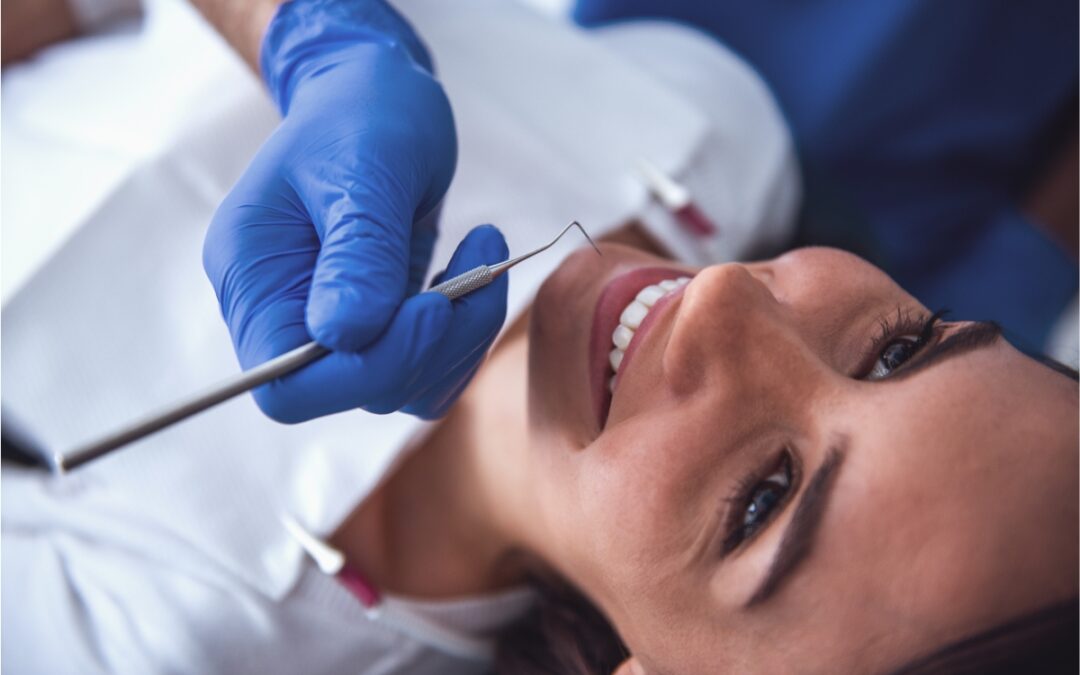
Having a smile that feels uneven or spotted can make anyone feel self-conscious. For many people, white streaks or chalky patches on their teeth may be more than just a cosmetic concern—they can affect confidence and even willingness to smile in public. In Mesa, patients often ask whether cosmetic dentistry can truly fix conditions like fluorosis and white spots. The answer is yes, and with today’s advanced techniques, these concerns can be treated with precision and long-lasting results.
Understanding Fluorosis and White Spots
Fluorosis develops when teeth are exposed to excessive fluoride during childhood, while the enamel is still forming. Instead of a uniform shade, teeth may show faint white lines, cloudy patches, or in more severe cases, brown discoloration. For many patients, the issue is purely aesthetic, but it can feel just as troubling as tooth decay from a confidence perspective.
White spots, on the other hand, can occur for various reasons—such as early enamel demineralization, post-braces changes, or even minor trauma to developing teeth. Both conditions share one thing in common: they make people want to hide their smile. That’s where the expertise of a cosmetic dentist in Mesa becomes so important.
How Cosmetic Dentistry Addresses These Concerns
Cosmetic dentistry offers multiple approaches to restoring natural-looking teeth. The right treatment depends on the severity of the condition, patient goals, and overall oral health. Below are some of the most effective methods used by Mesa dentists today:
Microabrasion for Surface-Level Discoloration
Microabrasion involves gently removing a very thin layer of enamel. This technique works well for superficial enamel discoloration, especially when the white spots are mild and not too deep. It’s often paired with professional whitening to achieve an even shade across all teeth.
Resin Infiltration for Subsurface Spots
For deeper white lesions, resin infiltration can make a significant difference. This method uses a specially formulated resin that seeps into the enamel’s porous surface, blending the white spot into the surrounding tooth. Clinical studies have shown that resin infiltration can stabilize enamel and improve aesthetics without removing significant tooth structure.
Veneers for Severe Cases
When fluorosis or discoloration is extensive, porcelain veneers may be the most effective solution. Veneers act as thin, custom shells that cover the front surface of teeth, instantly hiding uneven patches and giving the smile a balanced, natural look. Veneers are a common recommendation from a Mesa dentist when patients want a dramatic improvement that also strengthens enamel.
Combining Treatments for Better Results
In many cases, dentists may recommend a combination of techniques. For example, microabrasion followed by resin infiltration provides both removal and reinforcement of affected enamel. This tailored approach ensures patients see results that feel natural and lasting.
Why Patients in Mesa Seek Cosmetic Dentistry
According to the American Dental Association (ADA), enamel irregularities are among the top aesthetic concerns patients bring up during consultations. In communities like Mesa, where lifestyle and professional networking often place emphasis on first impressions, patients want solutions that don’t just improve looks but also boost self-esteem.
With advancements in dental technology, treatments are now minimally invasive, meaning fewer appointments and more predictable outcomes. A Mesa dentist can help patients decide which cosmetic option is most appropriate after a full evaluation.
Data-Backed Results and Patient Confidence
Studies show that patients who undergo cosmetic dentistry for fluorosis report significant improvements in self-confidence and social interactions. Research on resin infiltration has revealed over 80% success rates in masking white spots long-term. Veneers, meanwhile, provide durability for 10–15 years when maintained properly.
For Mesa residents, these statistics translate into real-life improvements—being able to smile openly in photos, interviews, or everyday conversations without second-guessing appearance.
FAQs About Fluorosis, White Spots, and Cosmetic Dentistry
Will teeth whitening alone fix white spots?
In most cases, whitening may lighten the surrounding enamel but can make white spots more noticeable. That’s why targeted treatments like resin infiltration or veneers are often recommended.
Are treatments for fluorosis painful?
No. Procedures such as microabrasion, resin infiltration, or veneers are minimally invasive and typically involve little to no discomfort.
How long do veneers last?
Porcelain veneers generally last 10 to 15 years with proper care, including daily brushing, flossing, and routine checkups.
Can children with fluorosis be treated?
Yes, but treatments differ depending on age. For younger patients, less invasive methods like resin infiltration are usually preferred until the teeth fully mature.
Is cosmetic dentistry covered by insurance?
Most insurance plans classify these treatments as elective. However, some cases tied to enamel defects may receive partial coverage. It’s best to check with your provider.
A Local Approach to a Lasting Smile
Fluorosis and white spots don’t have to define your smile. With solutions ranging from microabrasion to veneers, patients can achieve teeth that look and feel natural again. For those living in Mesa, having access to advanced cosmetic dentistry means there’s no need to hide your smile any longer.
If you’ve been considering your options, now may be the perfect time to consult a cosmetic dentist in Mesa and see which solution fits your unique needs.
Schedule an appointment with a trusted local professional and take the first step toward a brighter, more confident smile.