

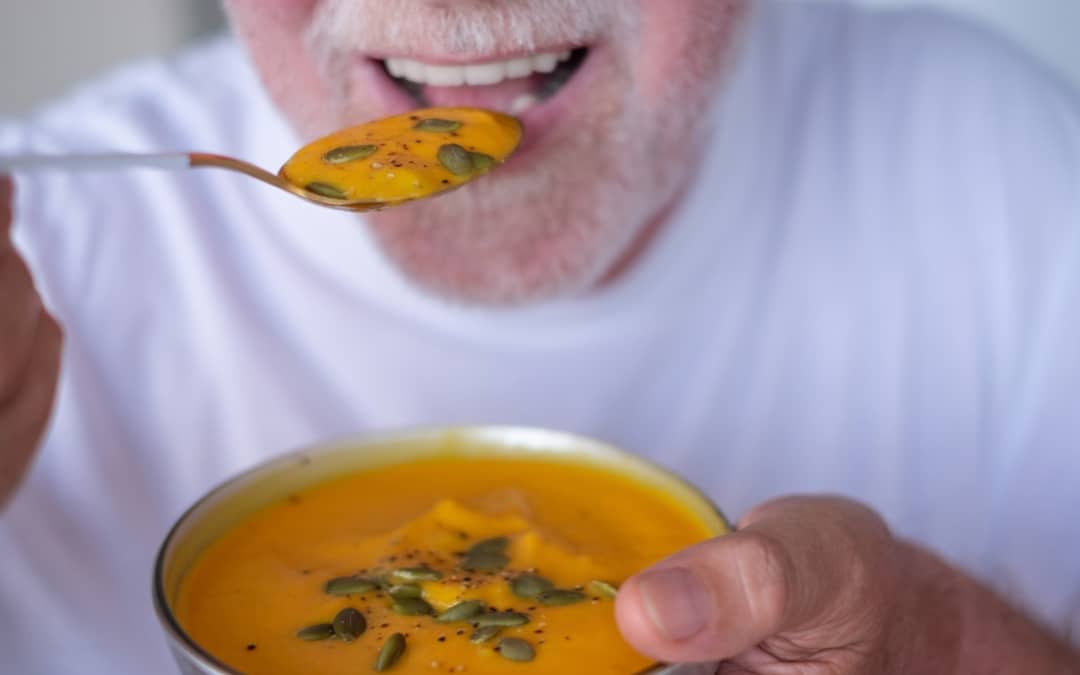
Recovering from wisdom tooth extraction takes time, patience, and a little planning, particularly when it comes to meals. Your mouth may feel sore during the first few days, and chewing can put unnecessary pressure on the healing areas. Choosing soft, nutritious foods can make eating more comfortable while helping you maintain the energy your body needs during recovery.
You do not have to rely on the same few meals throughout the healing process. From creamy soups and fluffy eggs to fruit smoothies and comforting desserts, plenty of options offer flavor without requiring much chewing. The key is to choose foods with a smooth or tender consistency and prepare them in a way that minimizes irritation around the extraction sites.
Patients looking for guidance from a dentist in Mesa, AZ, may also benefit from discussing their post-extraction diet and oral care routine during a follow-up visit. Following your dentist’s instructions, keeping your mouth clean, and choosing suitable meals can help support a more comfortable recovery.
Below are 30 soft food recipes you can prepare at home after wisdom tooth removal. Adjust the texture and temperature to your comfort level, and follow any specific dietary instructions from your dental provider.
30 Soft Recipes to Try After Wisdom Tooth Extraction
1. Creamy Cauliflower Soup
Steam cauliflower until it becomes very tender, then blend it with warm vegetable broth and a little cream. Add a small amount of garlic for flavor if it does not irritate your mouth. Blend until completely smooth and allow the soup to cool to lukewarm before eating.
2. Mashed Sweet Potatoes
Peel and boil sweet potatoes until they break apart easily with a fork. Mash them with butter and milk until they reach a creamy consistency. Sweet potatoes provide carbohydrates and nutrients while offering a filling option that requires little chewing.
3. Greek Yogurt with Mashed Fruit
Stir mashed banana or smooth fruit purée into plain Greek yogurt. This simple snack provides protein and has a cool, creamy texture that many people find comfortable after surgery. Avoid fruit pieces, seeds, or crunchy toppings that could irritate the extraction sites.
4. Creamy Avocado Smoothie
Blend a ripe avocado with milk or a suitable milk alternative until smooth. Add a little honey for sweetness if desired. Avocado provides healthy fats and creates a thick, satisfying drink. Use a cup or spoon rather than a straw during recovery.
5. Pumpkin Oatmeal
Cook oats with milk and pumpkin purée until the mixture becomes very soft. Stir regularly and add extra liquid if needed. A small pinch of cinnamon can add flavor without making the meal complicated. Let the oatmeal cool before eating.
6. Butternut Squash Risotto
Cook Arborio rice slowly in vegetable broth, adding small amounts of liquid until the rice becomes tender and creamy. Mix in thoroughly cooked butternut squash that you have mashed or puréed. Serve when the dish is lukewarm and soft enough to eat comfortably.
7. Blended Lentil Soup
Simmer lentils with carrots, celery, and onions until everything becomes very tender. Blend the ingredients into a smooth soup, adding broth to adjust the consistency. Lentils provide plant-based protein and fiber, making this a nourishing option when you need a more substantial meal.
8. Apple and Cinnamon Oatmeal
Peel an apple, cut it into small pieces, and cook it with oats and water or milk until both become very soft. Mash the apple thoroughly before serving. This warm, comforting breakfast offers a naturally sweet flavor without the need for hard or crunchy ingredients.
9. Smooth Banana Ice Cream
Slice ripe bananas, freeze them, and blend them until they form a smooth, creamy mixture. Let the texture soften slightly before eating. This simple dessert can feel refreshing when your mouth is sore. Avoid adding nuts, chocolate chips, or other hard ingredients.
10. Soft Scrambled Eggs
Whisk eggs with a small splash of milk, then cook them over low heat while stirring gently. Remove them from the heat while they remain moist and fluffy. Eggs provide protein and are easy to adapt to a soft-food diet without requiring extensive preparation.
11. Creamy Banana and Yogurt Smoothie
Blend a ripe banana with plain yogurt and milk until no lumps remain. Add more liquid if the mixture becomes too thick. This easy option can work for breakfast or a snack when chewing feels uncomfortable. Drink it from a cup instead of using a straw.
12. Tender Pasta with Smooth Tomato Sauce
Cook small pasta shapes until very soft, then coat them with a smooth tomato sauce. Cut the pasta into smaller pieces if needed and let the meal cool before eating. Avoid chunky sauces, spicy seasonings, and firm ingredients that require extra chewing.
13. Creamy Fruit and Yogurt Bowl
Mash ripe bananas, soft peaches, or peeled pears and fold them into plain yogurt. Choose fruit without tough skins or seeds, and make sure the mixture has a consistent texture. Chill it if you prefer a cool snack, but avoid ingredients that leave small pieces behind.
14. Rice Pudding
Cook rice slowly in milk until it becomes very tender and the mixture thickens. Stir frequently to prevent sticking, and add extra milk if the pudding feels too firm. Allow it to cool before serving. For the smoothest texture, lightly mash the rice or use a blender.
15. Soft Tofu with Tender Vegetables
Cut soft tofu into small pieces and warm it gently with thoroughly cooked vegetables. Choose options such as peeled squash or carrots that you can easily mash with a fork. Keep the seasoning mild and serve with very soft rice if you want a more filling meal.
16. Smooth Chia Pudding
Mix chia seeds with milk and refrigerate until the mixture thickens. However, because small seeds can lodge near extraction sites, chia pudding may not be suitable during the early stages of healing. Ask your dentist when it is safe to reintroduce small-seeded foods, or choose smooth yogurt instead.
17. Creamy Egg Salad
Hard-boil eggs, remove the shells, and mash the eggs thoroughly with a small amount of mayonnaise. Aim for a soft consistency without firm chunks. Eat it with a spoon rather than pairing it with crusty bread, which may place pressure on your healing jaw.
18. Soft Banana Pancakes
Mash a ripe banana and mix it with eggs and a small amount of flour to make a simple pancake batter. Cook the pancakes gently until they are tender, not crisp. Let them cool and break them into small pieces. Eat only when chewing feels comfortable.
19. Tender Chicken Soup
Simmer chicken with vegetables in broth until everything becomes very soft. Shred the chicken finely and check that no firm pieces remain. For easier eating, blend the soup or purée the vegetables separately. Serve lukewarm rather than piping hot.
20. Cottage Cheese with Mashed Peaches
Combine cottage cheese with thoroughly mashed, soft peaches or pears. If the curds feel uncomfortable, blend the mixture until smooth. This snack provides protein and requires very little preparation. Choose fruit without skins, seeds, or firm pieces.
21. Banana Bread-Inspired Oatmeal
Cook oats with mashed banana and milk until they become thick and creamy. Add a small pinch of cinnamon for a familiar banana-bread flavor. Skip nuts and other crunchy additions. Let the oatmeal cool enough to eat comfortably before serving.
22. Creamy Vegetable and Rice Bake
Combine well-cooked rice with soft, mashed vegetables and a mild yogurt-based sauce. Place the mixture in a baking dish and heat it until warm throughout. Keep the top moist rather than forming a crisp crust, then allow the dish to cool before eating.
23. Cheesy Polenta
Slowly cook cornmeal with water, broth, or milk until it becomes smooth and creamy. Stir in a little shredded cheese while the mixture is warm. Add more liquid if necessary to keep the polenta soft. Let it cool to a comfortable temperature before eating.
24. Creamy Spinach and Mushroom Pasta
Cook pasta until very tender. Prepare mushrooms until they are completely soft, then combine them with finely chopped spinach and a smooth cream sauce. If any pieces feel too firm, chop them more finely or blend the sauce. Avoid serving the dish hot.
25. Soft Tuna Salad
Mash canned tuna thoroughly with mayonnaise or plain yogurt until it has a moist, soft texture. Remove any firm pieces and check carefully for bones. Eat it with a spoon or mix it into mashed potatoes. Avoid dry toast, crackers, and crunchy sandwich fillings.
26. Banana and Peanut Butter Smoothie
Blend a ripe banana with a small spoonful of smooth peanut butter and milk until completely creamy. Add extra liquid to make the mixture easier to drink. Avoid chunky peanut butter and crunchy toppings. Sip from a cup or eat the mixture with a spoon.
27. Creamy Vegetable Risotto
Cook rice slowly in broth, adding finely puréed vegetables as the rice softens. Stir until the mixture becomes moist and creamy. Choose vegetables that mash easily, and avoid firm pieces. This recipe provides a flexible way to combine carbohydrates and vegetables in one meal.
28. Mashed Black Bean and Avocado Bowl
Cook black beans until very tender, then mash them thoroughly with ripe avocado. Serve with soft rice if desired, ensuring the beans have no firm skins or whole pieces that cause discomfort. Keep spices mild and avoid crunchy tortilla chips, raw vegetables, or hard toppings.
29. Creamy Chicken and Rice Soup
Combine finely shredded chicken, very soft rice, and broth in a saucepan. Simmer until the ingredients become tender and the soup reaches a consistency that is easy to swallow. Blend part or all of the mixture if needed, then allow it to cool before eating.
30. Pumpkin Pie-Inspired Smoothie
Blend pumpkin purée with yogurt, milk, and a small pinch of cinnamon until smooth. Adjust the liquid to create a drinkable consistency. This recipe provides a seasonal flavor without a pastry crust or crunchy toppings. Drink it without a straw while your extraction sites heal.
Important Eating Tips After Wisdom Tooth Removal
Choosing suitable recipes is only one part of recovery. The way you eat and care for your mouth also matters.
- Avoid hard, crunchy, and sticky foods: Nuts, chips, popcorn, chewy candy, and crusty bread may irritate the extraction sites.
- Skip straws: Suction can disturb the blood clot that protects the extraction socket and increase the risk of dry socket.
- Choose a comfortable temperature: Avoid very hot foods and drinks, especially during the early recovery period.
- Keep small food particles away from the sockets: Avoid foods with tiny seeds or grains that may become trapped near the surgical areas.
- Follow your dentist’s rinsing instructions: After the first 24 hours, gentle warm saltwater rinses may help keep the mouth clean. Do not swish forcefully.
- Maintain gentle oral hygiene: Brush carefully around the surgical areas and follow your dentist’s specific instructions.
- Stay hydrated: Drink water regularly, using a cup rather than a straw.
- Follow your prescribed care plan: Take medications as directed and attend any recommended follow-up visits.
Contact your dental provider if you develop worsening pain, persistent bleeding, fever, pus, or swelling that increases instead of improving. Severe pain that begins or worsens a few days after extraction may indicate dry socket or another complication that needs attention.
Make Recovery More Comfortable with the Right Care
A thoughtful soft-food menu can make the days after wisdom tooth extraction easier while helping you maintain a balanced diet. Try different soups, mashed vegetables, soft proteins, and smooth desserts so meals remain enjoyable without placing unnecessary pressure on your mouth. Remember that recovery differs from person to person, so follow your dental provider’s instructions rather than relying on a fixed timeline.
For personalized guidance about wisdom tooth recovery, oral hygiene, or when to return to your usual diet, Rauch Family Dentistry in Mesa, AZ, can help address your questions and care needs. Schedule an appointment with us today to discuss your dental health and receive guidance tailored to your recovery.
Frequently Asked Questions
How long should I eat soft foods after wisdom tooth removal?
Many people need soft foods for several days, often around three to seven days, but recovery varies. Some patients need longer, particularly after more complex extractions. Gradually return to firmer foods when chewing feels comfortable and your dentist says it is appropriate.
Can I drink smoothies after wisdom teeth extraction?
Yes. Smoothies made with smooth ingredients can provide fluids and nutrients when chewing is difficult. Avoid seeds, hard add-ins, and chunky ingredients that could become trapped near the extraction sites. Do not use a straw, because suction may disturb the healing blood clot.
Can I eat dairy products after wisdom tooth removal?
Most people can eat dairy products such as yogurt, milk, and cottage cheese if they tolerate them well. Choose smooth options without hard mix-ins. If a particular food causes nausea or discomfort, skip it and ask your dental provider about suitable alternatives.
Is ice cream okay after wisdom tooth extraction?
Smooth ice cream may feel soothing for some patients, provided it does not contain nuts, cookie pieces, or other hard additions. Let it soften slightly before eating, and choose options without crunchy mix-ins. Cold foods should complement—not replace—a balanced recovery diet.
When can I start eating regular foods again?
Return to regular foods gradually as tenderness improves and you can chew comfortably. Start with soft foods and move toward firmer textures according to your dentist’s instructions. Avoid rushing into hard, crunchy, or chewy meals while the extraction sites remain sensitive.
What foods should I avoid after wisdom tooth extraction?
Avoid popcorn, chips, nuts, seeds, hard candy, crusty bread, sticky foods, and anything that requires forceful chewing during early recovery. Small particles may lodge in the extraction sites, while hard foods can irritate the area. Follow your dentist’s advice about when to reintroduce them.
What should I eat if my jaw hurts when I chew?
Choose foods that need little or no chewing, such as smooth soups, mashed potatoes, yogurt, puréed vegetables, and soft scrambled eggs. Eat slowly and keep portions manageable. If pain becomes severe, worsens after initially improving, or prevents you from drinking enough fluids, contact your dental provider.
How can I tell if my wisdom tooth extraction site is healing properly?
Some soreness, swelling, and jaw stiffness are common after extraction, particularly during the first few days. These symptoms should generally begin to improve over time. Contact your dentist if you notice worsening pain, persistent bleeding, fever, pus, or increasing swelling.