

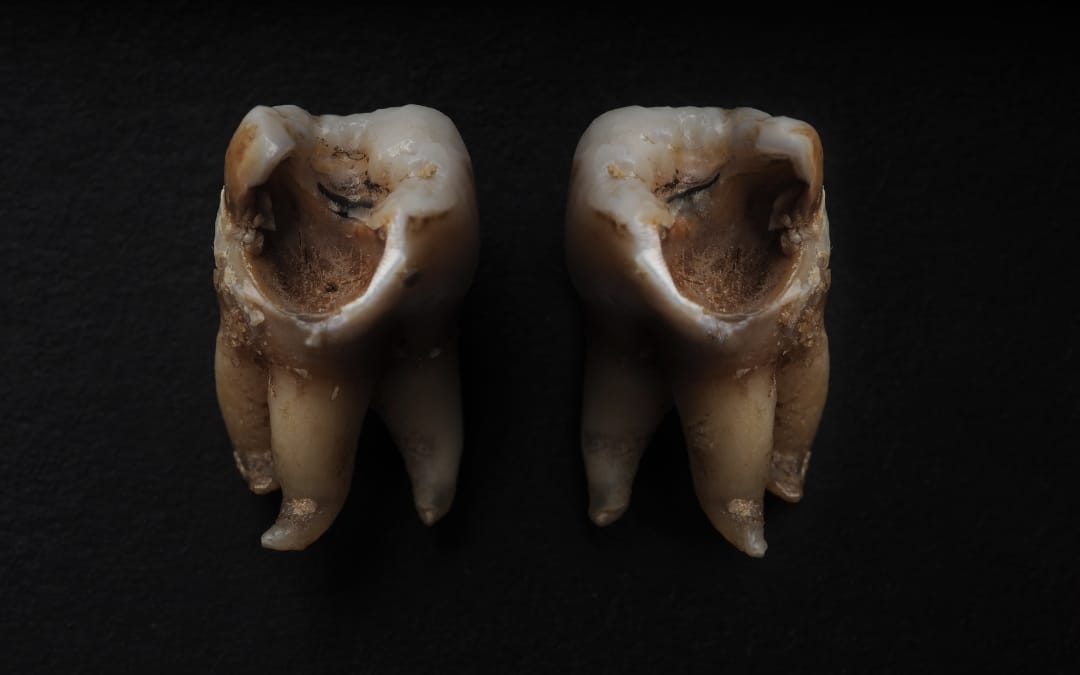
Having a tooth fall out unexpectedly can be alarming, especially when decay caused it to become weak in the first place. Severe tooth decay can gradually damage the structure of a tooth until it becomes loose and eventually comes out. While losing the tooth may relieve some of the pain or pressure you were experiencing, it does not necessarily mean the underlying dental problem is resolved. The exposed area can still be vulnerable to irritation, infection, and other complications.
Knowing how to care for the area immediately afterward can help protect your gums and make the healing process more comfortable. Here are the steps you should take if a decayed tooth falls out.
Check the Area and Control Any Bleeding
Start by taking a careful look at the area where the tooth was located. A small amount of bleeding is common after a tooth comes out, particularly if the surrounding gum tissue has been irritated. Place clean gauze over the area and apply gentle, steady pressure by biting down on it.
Keep the pressure in place for several minutes without repeatedly removing the gauze to check the socket. Bleeding should gradually slow down. If it continues for around 10 to 15 minutes despite applying pressure, contact your dentist in Mesa, AZ for advice and prompt evaluation.
Keep the Area Clean
Once the initial bleeding is under control, keeping the area clean becomes important. You can gently rinse your mouth with warm salt water to help remove food particles and bacteria around the affected area.
Avoid vigorous swishing or forceful spitting because these actions may disturb the healing tissue. It is also a good idea to stay away from alcohol-based mouthwashes immediately after the tooth falls out, as they may cause additional irritation to the exposed gum.
Keep the Tooth if It Is Available
If you can find the tooth, do not automatically throw it away. Although a tooth that has fallen out because of extensive decay may not be suitable for replacement in its original position, your dentist may want to examine it.
Place the tooth in a clean container with milk or another appropriate storage solution rather than allowing it to dry out. Take it with you when you visit the dental office. The condition of the tooth may provide useful information about how extensively decay affected its structure.
Hold the Tooth by the Crown
If you need to pick up the tooth, hold it by the crown, which is the part that was visible above the gumline. Avoid handling the root whenever possible because the tissues around the root are delicate.
Even if the tooth appears badly damaged, allowing your dentist to inspect it can help determine what happened and whether any pieces of the tooth remain in the gum or surrounding area.
Manage Discomfort and Swelling
Tenderness around the empty socket is possible after the tooth comes out. A cold compress placed against the outside of your cheek for short periods can help ease swelling and make the area more comfortable.
An over-the-counter pain reliever may also help with soreness when it is appropriate for you to take one. However, medication choices can vary based on your health and other medications you may use, so follow the product directions and ask a healthcare professional if you are unsure what is safe for you.
Choose Foods That Are Easy to Eat
The gum around the missing tooth may remain sensitive for a while. During the early healing period, choose foods that require little chewing and are unlikely to scrape or press against the affected area.
Good choices can include yogurt, scrambled eggs, mashed potatoes, soft pasta, soup, and smoothies. Avoid very hard, crunchy, sticky, or extremely hot foods until the area becomes more comfortable. When eating, try to chew on the opposite side of your mouth if possible.
Know When an Infection May Be Developing
An empty socket can become infected if bacteria enter the area, particularly when there was already significant decay or inflammation around the tooth. Pay attention to changes in your symptoms as the area heals.
Contact a dental professional if you develop symptoms such as:
- Pain that becomes stronger instead of improving
- Increasing swelling around the gum or face
- Persistent unpleasant taste or odor
- Pus or drainage near the affected area
- Fever or feeling generally unwell
Prompt evaluation can help identify an infection or another complication before it becomes more difficult to treat.
Have the Area Examined by a Dentist
Even if the tooth has completely fallen out and your discomfort has improved, you should still have the area examined. A dentist in Mesa, AZ can evaluate the empty socket, surrounding gums, neighboring teeth, and supporting bone to determine whether additional treatment is needed.
A dental evaluation can also help identify any remaining infection or damaged tooth fragments. Addressing the missing tooth sooner rather than later may help reduce the chances of neighboring teeth shifting into the open space and creating changes in your bite.
Consider Replacing the Missing Tooth
When a decayed tooth cannot be restored, replacing it may be an important part of protecting your long-term oral function. A missing tooth can affect chewing and may allow nearby teeth to gradually move toward the empty space.
Depending on your oral health, the location of the missing tooth, and your individual needs, your dentist may discuss options such as:
- Dental implants: An implant can replace the missing tooth from the root upward and is designed to provide a stable, natural-looking restoration.
- Dental bridges: A bridge fills the space left by a missing tooth and is supported by neighboring teeth or other dental structures.
- Partial dentures: A removable partial denture can replace one or several missing teeth while allowing you to remove the appliance when needed.
Your dentist can evaluate your mouth and explain which replacement approach may be appropriate for you.
Take Steps to Prevent More Tooth Decay
A tooth that falls out because of decay is a reminder that the remaining teeth need consistent care. Preventing additional decay starts with everyday habits as well as regular professional dental visits.
Brush your teeth twice a day with fluoride toothpaste and clean between your teeth regularly. Limiting frequent sugary foods and drinks can also reduce the conditions that contribute to tooth decay. Routine dental examinations allow problems to be identified while they are still easier to manage.
Final Thoughts
A decayed tooth falling out does not mean that no further treatment is necessary. Even when the immediate pain disappears, the surrounding tissues may still need attention, and the missing tooth may eventually need to be replaced.
Keep the area clean, control any bleeding, choose gentle foods, and watch carefully for signs of infection. Most importantly, arrange a dental evaluation so the socket and surrounding teeth can be checked and the appropriate next steps can be discussed.
Schedule an appointment at Rauch Family Dentistry to have the area evaluated and protect your oral health.
Frequently Asked Questions
Can a decayed tooth really fall out by itself?
Yes. Extensive decay can destroy enough of the tooth’s structure that it becomes weak, loose, and unable to remain securely in place. Eventually, the remaining portion may break or come out.
Will the pain stop after a decayed tooth falls out?
Pain may decrease after the tooth is gone, particularly if the damaged tooth was causing pressure or irritation. However, discomfort can continue if the surrounding gum is inflamed or an infection is present. A dental examination can determine what is causing the symptoms.
Do I still need to see a dentist after the tooth falls out?
Yes. A missing tooth should be professionally evaluated even if you feel better afterward. The dentist can check for infection, remaining pieces of the tooth, damage to nearby structures, and determine whether the tooth should be replaced.
How long does the gum take to heal after a tooth falls out?
The surface gum tissue often begins healing within the first couple of weeks, but complete healing can take longer. The timeframe depends on factors such as the condition of the gum, the extent of previous infection or decay, and how well the area heals.
What should I eat after a decayed tooth falls out?
Soft foods that require minimal chewing are generally more comfortable during the initial healing period. Yogurt, mashed potatoes, scrambled eggs, soft pasta, soup, and smoothies are some options. Hard, crunchy, sticky, or very hot foods should be avoided if they irritate the area.
Can I rinse my mouth after the tooth falls out?
A gentle warm salt-water rinse can help keep the area clean. Avoid aggressive swishing and forceful spitting, especially soon after the tooth comes out, because excessive movement can interfere with the healing process.
What happens if I leave the missing tooth unreplaced?
The teeth next to the gap may gradually move toward the open space. This can affect the way your teeth come together and may make chewing more difficult. Your dentist can discuss replacement options based on your individual needs.
Is a dental implant the only way to replace a missing tooth?
No. Dental implants are one option, but bridges and partial dentures may also be appropriate depending on your oral health, the location of the missing tooth, the condition of neighboring teeth, and your treatment goals.