

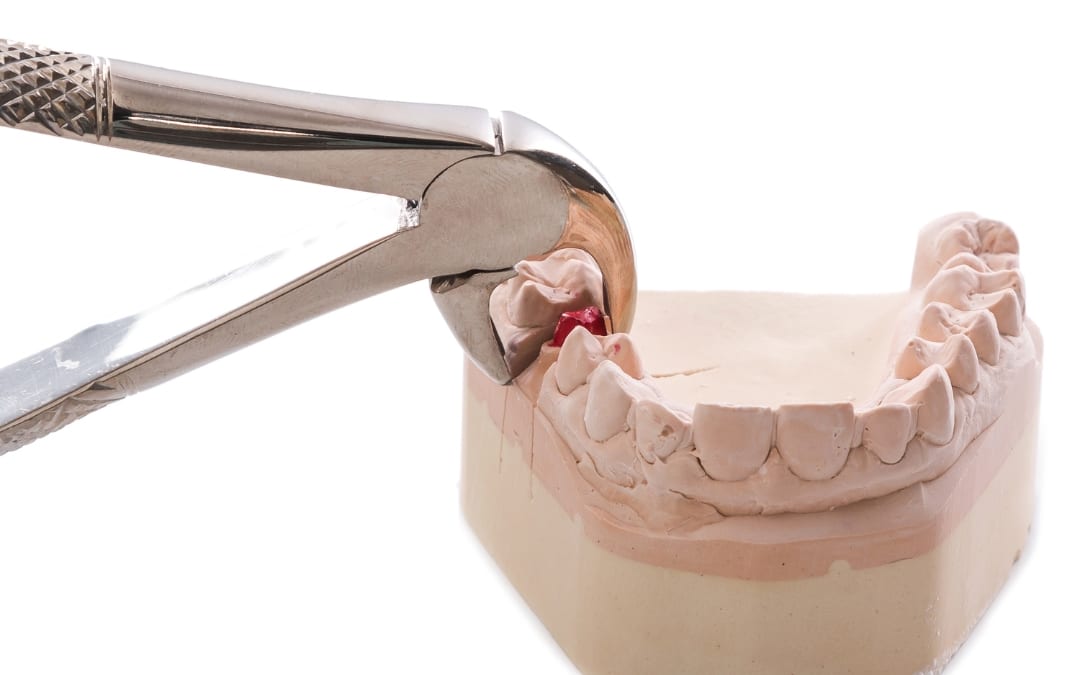
Hearing that you need a tooth extracted is never exciting. If you also have a heart condition, it’s natural to have even more questions. You may wonder whether the procedure could affect your heart, interfere with your medications, or lead to unexpected complications. These concerns are completely understandable, but the reassuring news is that most heart patients can safely undergo tooth extraction with the right planning and professional care.
Every patient’s medical history is different, which is why your dentist will take extra time to understand your overall health before recommending treatment. When your dental provider and physician work together, tooth extraction can usually be performed safely while protecting both your smile and your heart.
Why Your Oral Health Matters to Your Heart
Many people think of their mouth and heart as two completely separate parts of the body. In reality, they are more connected than most people realize. An untreated dental infection or advanced gum disease can allow harmful bacteria to enter the bloodstream. For some people with existing heart conditions, those bacteria may increase the risk of serious infections or inflammation that can affect the heart.
That’s one reason dentists encourage patients not to ignore painful or damaged teeth. Treating an infected tooth early may actually help reduce health risks instead of increasing them.
When a tooth cannot be saved with restorative treatment, oral surgery Mesa patients receive may be the healthiest option. Removing the source of infection often protects your oral health while preventing the problem from becoming more serious. Before recommending treatment, your dentist will carefully review your medical history and determine the safest approach based on your individual condition.
Does Having Heart Disease Increase the Risk?
Having a heart condition doesn’t automatically make tooth extraction dangerous, but it does mean your dentist needs to take additional precautions. Conditions such as heart valve disease, irregular heartbeat, previous heart attack, heart failure, or uncontrolled high blood pressure all require careful consideration before treatment begins.
Another important factor is medication. Many heart patients take anticoagulants or blood-thinning medications that help prevent blood clots. These medications are extremely important for your health, but they may also increase bleeding during dental procedures. Instead of stopping these medications on your own, always follow the recommendations of both your physician and dentist.
Careful Planning Makes All the Difference
A successful extraction starts long before the actual appointment. Your dentist will ask detailed questions about your medical history, current medications, allergies, previous surgeries, and any recent changes in your health. In some situations, they may also communicate directly with your cardiologist to make sure every aspect of your care is properly coordinated.
Some patients, especially those with artificial heart valves or a history of infective endocarditis, may need preventive antibiotics before treatment. This simple precaution helps reduce the chance of bacteria entering the bloodstream during the procedure.
Providing accurate information about your health allows your dental team to make informed decisions and provide treatment as safely as possible.
What Happens During the Extraction?
Many heart patients are surprised to learn that tooth extractions are often simpler than they expected. Local anesthesia is considered safe for most individuals with heart disease. Depending on your medical condition, your dentist may choose an anesthetic that contains little or no epinephrine to avoid placing unnecessary stress on your cardiovascular system.
If your extraction is more complex, your vital signs may be monitored throughout the procedure. Checking your blood pressure, heart rate, and oxygen levels helps your dental team respond quickly if anything unusual occurs.
Choosing a trusted Mesa dentist who regularly treats patients with medical conditions can provide valuable peace of mind before, during, and after your procedure.
Recovery Is Just as Important
Healing after a tooth extraction requires a little extra attention, especially if you’re taking blood-thinning medication. Your dentist will explain how to control bleeding, protect the extraction site, and encourage proper healing over the next several days.
Keeping the area clean, avoiding smoking, skipping straws, and following your aftercare instructions all play an important role in preventing complications. If antibiotics are prescribed, take the full course exactly as directed.
While mild discomfort is expected, persistent bleeding, increasing swelling, fever, severe pain, or unusual drainage should never be ignored. Contact your dental office immediately if you notice any of these symptoms.
Questions Worth Asking Before Treatment
The more informed you are, the more confident you’ll feel about your procedure. Before your appointment, don’t hesitate to ask questions such as:
- Will my heart condition change how my extraction is performed?
- Should I continue taking my regular medications?
- Will I need antibiotics before treatment?
- What type of anesthetic will be used?
- What signs should I watch for after the extraction?
Open communication helps your dentist create a treatment plan that’s tailored specifically to your needs.
Protecting Your Smile While Protecting Your Health
Living with a heart condition shouldn’t stop you from receiving the dental care you need. In many cases, removing an infected or severely damaged tooth is actually an important step toward improving your overall health. With proper planning, close communication between your healthcare providers, and personalized treatment, tooth extraction can be completed safely and comfortably.
At Rauch Family Dentistry, we understand that patients with medical conditions deserve extra attention and individualized care. Our team takes every precaution to help you feel comfortable while protecting your overall health throughout treatment. If you’re looking for compassionate dental care in Mesa, AZ, we’re here to help. Schedule an appointment today and let us answer your questions while creating a treatment plan that’s right for you.
Frequently Asked Questions
Is tooth extraction usually safe for someone with heart disease?
Yes. Most people with heart conditions can safely have a tooth extracted when their dentist carefully reviews their medical history and coordinates care when necessary.
Will I need to stop my heart medications before my appointment?
Not usually. Never stop taking prescribed heart medications unless your physician and dentist both instruct you to do so.
Can blood thinners make tooth extraction more difficult?
Blood thinners may increase bleeding, but dentists can usually manage this safely without requiring patients to stop their medication.
Why would I need antibiotics before a tooth extraction?
Some patients with certain heart conditions need antibiotics beforehand to reduce the risk of bacteria entering the bloodstream and affecting the heart.
Is local anesthesia safe if I have heart problems?
Yes. Your dentist will choose the most appropriate anesthetic based on your medical history and current health.
What should I avoid after my extraction?
Avoid smoking, drinking through a straw, vigorous rinsing, and strenuous physical activity during the first few days to help the area heal properly.
When should I contact my dentist after the procedure?
Call your dentist if you experience heavy bleeding, worsening pain, fever, unusual swelling, or signs of infection that don’t improve.
Why is treating an infected tooth important for heart patients?
Untreated dental infections can spread bacteria into the bloodstream, potentially increasing health risks for some individuals with existing heart conditions.