

Many people walk into a root canal appointment hoping it will be the last time they deal with a painful tooth. In most situations, that’s exactly what happens. But what if your tooth starts hurting again after the numbness wears off? It can be surprising, and it’s natural to wonder whether the treatment actually worked.
Before assuming the worst, remember that your mouth needs time to recover. A tooth that has been infected for weeks or months won’t feel completely normal overnight. Some sensitivity is expected while the surrounding tissues settle down. The important thing is knowing the difference between normal healing and a problem that needs attention.
What Is Root Canal Therapy?
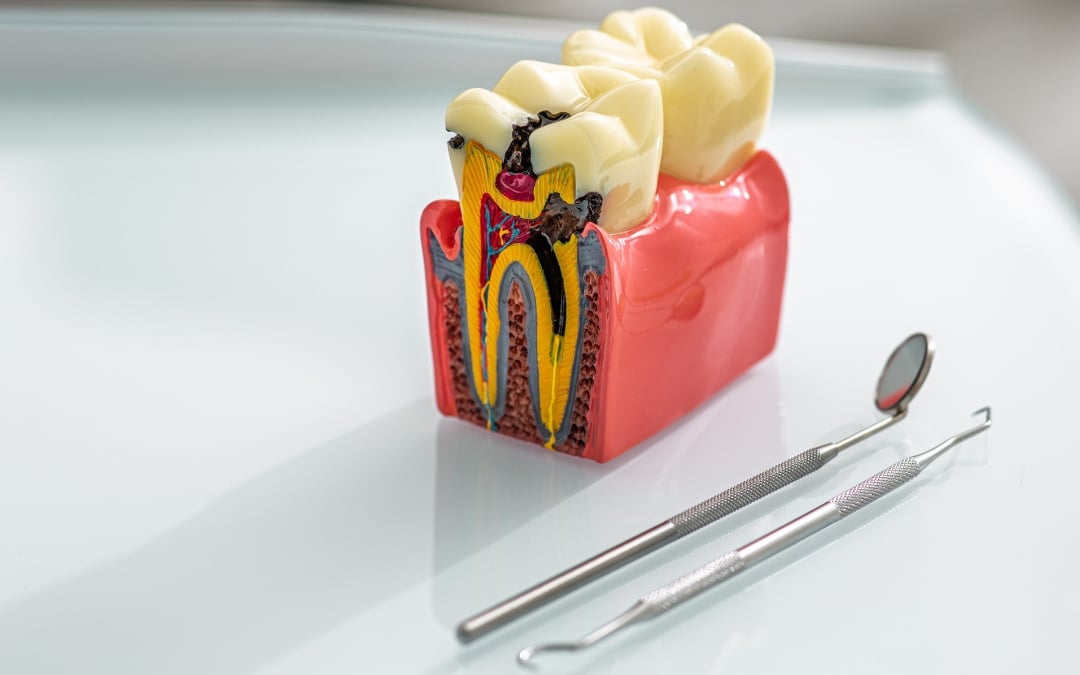
Every tooth has a small space in the center that contains living tissue called the pulp. This tissue includes nerves and blood vessels that help the tooth develop. Once a tooth is fully formed, however, it can continue functioning without the pulp.
When bacteria reach this inner area because of deep decay, a crack, or an injury, the pulp becomes infected. Left untreated, the infection can spread and eventually lead to severe pain or even tooth loss.
During root canal therapy in Mesa, your dentist removes the damaged tissue, thoroughly cleans the inside of the tooth, and seals it to keep bacteria from returning. In most cases, the tooth is then protected with a crown so it can continue functioning normally for many years.
Why Can a Tooth Hurt After Treatment?
Feeling discomfort after a root canal isn’t always a sign that something went wrong. Your body is healing from both the infection and the procedure itself. Here are some common reasons why the tooth may still feel sensitive.
The Area Around the Tooth Is Recovering
Although the infected tissue has been removed, the bone and ligaments supporting the tooth may still be inflamed. These tissues need time to heal, so it’s common to notice tenderness when biting or chewing for several days.
The Tooth Was Already Severely Inflamed
Many teeth that require root canals have been infected for a long time before treatment. Because of this, the surrounding tissues may remain irritated even after the source of the infection has been eliminated. As the inflammation gradually decreases, the discomfort usually improves.
Your Jaw May Simply Be Sore
Sometimes the pain isn’t coming from the tooth at all. Holding your mouth open during a lengthy procedure can leave your jaw muscles feeling stiff or tired. If you’ve recently visited a dentist in Mesa, mild soreness around the jaw or cheeks can be a completely normal part of recovery.
Why Do Some Root Canals Need Additional Treatment?
Root canals are highly successful, but no dental procedure is perfect. Occasionally, a treated tooth may need further care if bacteria find a way back inside or if hidden anatomy makes treatment more difficult.
A Damaged Crown or Filling
The restoration placed after treatment plays an important role in protecting the tooth. If it becomes loose, cracked, or worn over time, bacteria can enter and create another infection.
Tiny Canals That Were Difficult to Detect
Not every tooth has a straightforward root structure. Some have extra canals that are extremely small and difficult to locate. If bacteria remain inside one of these spaces, symptoms may continue even after treatment.
Natural Changes Inside the Tooth
Some teeth develop narrow or hardened canals over time. These changes can make cleaning every part of the root system more challenging, increasing the possibility that bacteria remain hidden.
A Crack That Develops Later
A tooth that has already been weakened by decay or previous dental work can develop a crack months or even years after treatment. Once bacteria enter through the crack, pain may return.
Delaying the Permanent Restoration
After a root canal, your dentist may recommend placing a crown. Waiting too long can leave the treated tooth vulnerable to damage or bacterial contamination, reducing the long-term success of the procedure.
Daily Oral Care Still Matters
A root canal removes infection from inside a tooth, but it doesn’t prevent future dental problems. Brushing twice a day, flossing daily, and attending regular checkups remain essential for protecting your oral health.
When Is It Time to Call Your Dentist?
A little tenderness is expected after treatment, especially during the first few days. However, increasing pain, swelling, persistent sensitivity, or pressure that doesn’t improve should be evaluated as soon as possible.
Listening to your body is important. If something doesn’t feel right, it’s always better to have your tooth examined rather than waiting for the problem to become more serious.
Root canal treatment has helped millions of people save teeth that might otherwise have been lost. Most patients recover without complications and return to normal activities quickly. If your tooth continues to bother you after treatment, don’t ignore the symptoms. An examination can determine whether you’re simply healing or whether additional care is needed.
At Rauch Family Dentistry, we focus on helping patients protect their natural teeth with comfortable, personalized care. If you’re experiencing discomfort after treatment or have questions about your recovery, our team is here to help. Schedule an appointment today and let us help restore your smile and peace of mind.
Frequently Asked Questions
Is it common for a tooth to feel sore after a root canal?
Yes. Mild soreness is common because the tissues surrounding the tooth need time to heal after treatment.
How many days does recovery usually take?
Most people notice significant improvement within a few days, although mild tenderness can last for about a week.
Does pain always mean the root canal failed?
No. Temporary discomfort is often part of the healing process. Persistent or worsening pain should be evaluated by your dentist.
Can an old root canal become infected again?
Yes. A treated tooth can become infected again if bacteria enter through a damaged restoration or a crack in the tooth.
Should I chew on the treated tooth?
It’s best to avoid chewing hard foods on the treated side until your dentist confirms that healing is progressing well or the permanent crown has been placed.
What symptoms should I never ignore?
Severe swelling, increasing pain, fever, pus, or difficulty biting comfortably should be checked by your dentist promptly.
Can a root canal save my natural tooth?
In most cases, yes. Root canal therapy allows many damaged teeth to remain functional for years with proper care.
How can I keep my treated tooth healthy?
Brush twice a day, floss daily, visit your dentist regularly, and follow all post-treatment instructions to protect your restored tooth.