

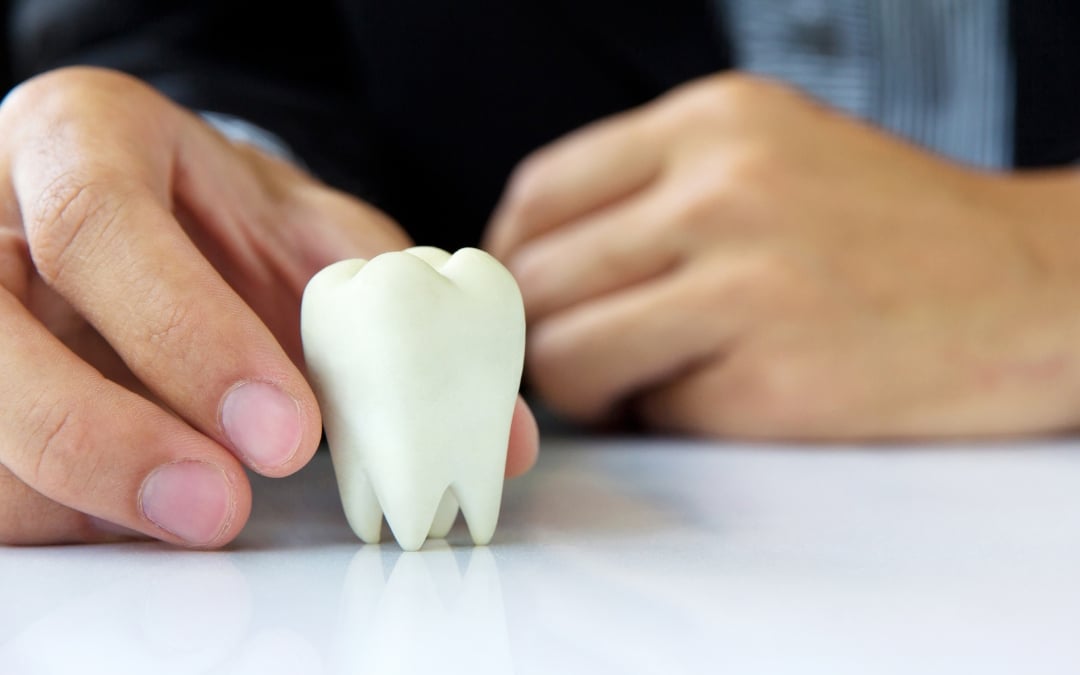
Wisdom teeth are the last set of permanent teeth to appear, usually between the ages of 17 and 25. For some people, they come in without causing any trouble. For many others, however, these teeth can become a source of ongoing dental problems. Because wisdom teeth are located at the very back of the mouth, they are harder to clean and more likely to develop cavities. If tooth decay is left untreated, it can lead to painful infections that may affect not only your smile but your overall health as well.
Many people don’t notice there’s a problem until discomfort begins. A mild ache or occasional sensitivity may seem harmless at first, but decay in a wisdom tooth can progress quickly. The longer harmful bacteria remain around the tooth, the greater the chance of infection, swelling, and damage to nearby teeth and gums. Understanding why wisdom teeth are more vulnerable can help you take action before a small issue becomes a bigger one.
If you’re experiencing soreness near the back of your mouth or have noticed swelling around your gums, don’t ignore it. Seeing a dentist in Mesa early can make a significant difference. A thorough examination can determine whether your wisdom teeth are healthy or if treatment is needed to prevent future complications.
Why Do Wisdom Teeth Decay So Easily?
Unlike the rest of your teeth, wisdom teeth are difficult to reach during your daily oral hygiene routine. Even if you brush and floss consistently, it can be challenging to clean these back teeth properly. As food particles and plaque collect around them, bacteria begin to multiply, gradually weakening the tooth enamel.
The problem becomes even more common when wisdom teeth only partially erupt or remain trapped beneath the gums. Small spaces around these teeth create ideal hiding spots for bacteria, making them much more susceptible to cavities, gum irritation, and infection. Since these areas are difficult to clean at home, decay often develops without obvious warning signs.
Warning Signs of a Decayed Wisdom Tooth
Recognizing the symptoms early can help prevent more serious dental problems. Some common signs include:
- Persistent pain or throbbing near the back of the mouth
- Swollen, red, or tender gums around the wisdom tooth
- Bad breath that doesn’t improve with brushing or mouthwash
- A bad taste in the mouth caused by trapped bacteria or infection
- Pain while chewing food
- Difficulty opening your mouth comfortably due to swelling
If you notice one or more of these symptoms, it’s important to schedule a dental evaluation rather than waiting for the discomfort to disappear on its own.
What Can Happen If You Ignore a Decayed Wisdom Tooth?
A cavity in a wisdom tooth won’t heal by itself. As the decay progresses, bacteria continue spreading deeper into the tooth and surrounding tissues. Eventually, the infection can extend beyond the tooth, affecting nearby gums, neighboring teeth, and even the jaw.
This is one of the reasons visiting a dentist in Mesa as soon as symptoms appear is so important. Early treatment can often prevent more complex procedures while protecting the health of the surrounding teeth.
Some of the possible complications include:
- Dental Infection: Bacteria can spread into nearby tissues, causing swelling and severe discomfort.
- Gum Disease: Inflamed gums around wisdom teeth can increase the risk of gingivitis and more advanced periodontal disease.
- Dental Abscess: A pocket of infection may develop, leading to intense pain, swelling, and drainage.
- Damage to Nearby Teeth: A decayed wisdom tooth may contribute to cavities or pressure on adjacent molars.
- Spread of Infection: In uncommon but serious cases, bacteria may travel beyond the mouth and affect other areas of the body.
Seeking treatment before these complications develop is always the safest approach.
How Are Decayed Wisdom Teeth Treated?
The right treatment depends on how much damage has occurred and whether the wisdom tooth is healthy enough to keep.
Dental Filling
If the cavity is small and the tooth is fully erupted, your dentist may recommend a filling. This restores the damaged portion of the tooth and helps stop decay from progressing.
Root Canal Treatment
If the decay reaches the inner pulp of the tooth, root canal therapy may be an option. During the procedure, infected tissue is removed, and the tooth is sealed to prevent further infection. This option is only recommended when preserving the wisdom tooth is beneficial.
Wisdom Tooth Removal
Extraction is the most common treatment for wisdom teeth that are severely decayed, impacted, or difficult to clean. Removing the tooth eliminates the source of infection and greatly reduces the chance of future problems.
How to Lower Your Risk of Wisdom Tooth Decay
Although wisdom teeth can be challenging to care for, a few simple habits can help reduce your risk of developing cavities or infections.
- Brush thoroughly twice every day, paying extra attention to your back teeth.
- Floss daily to remove food and plaque between teeth.
- Use an antibacterial mouth rinse to reduce harmful bacteria.
- Visit your dentist regularly for professional cleanings and examinations.
- Follow your dentist’s advice if your wisdom teeth are impacted or difficult to maintain.
Routine dental visits allow small problems to be detected before they become painful or expensive to treat.
Don’t Let Wisdom Tooth Decay Turn Into a Bigger Problem
A decayed wisdom tooth is more than just an inconvenience. Without timely treatment, it can lead to infections, abscesses, gum disease, and damage to nearby teeth. The good news is that these complications are often preventable with early diagnosis and proper dental care.
At Rauch Family Dentistry in Mesa, AZ, we believe preventive care is the best way to protect your smile. Whether you’re dealing with wisdom tooth pain or simply want to make sure everything is healthy, our team is here to help with personalized, compassionate care. Schedule an appointment today and let us help you keep your smile healthy for years to come.
Frequently Asked Questions
Why do wisdom teeth get cavities more often than other teeth?
Because they are located at the very back of the mouth, wisdom teeth are harder to brush and floss effectively. This allows plaque and bacteria to build up more easily, increasing the risk of tooth decay.
Can a decayed wisdom tooth heal on its own?
No. Once decay develops, it won’t go away without professional treatment. Delaying care allows the cavity to worsen and increases the risk of infection.
Is it always necessary to remove a decayed wisdom tooth?
Not always. If the tooth is healthy enough to restore and functions properly, your dentist may recommend treatment instead of extraction. However, many wisdom teeth are removed because they are difficult to clean and likely to cause future problems.
What are the signs that a wisdom tooth infection is getting worse?
Increasing pain, swelling, pus, fever, difficulty swallowing, swollen lymph nodes, or trouble opening your mouth may indicate the infection is spreading and requires immediate dental care.
How often should wisdom teeth be checked?
Even if they aren’t causing discomfort, wisdom teeth should be evaluated during your routine dental checkups. Regular X-rays help your dentist monitor their position and detect problems early.
Can impacted wisdom teeth cause infections even without cavities?
Yes. Impacted or partially erupted wisdom teeth can trap bacteria beneath the gums, leading to infections even if the tooth itself doesn’t have visible decay.