

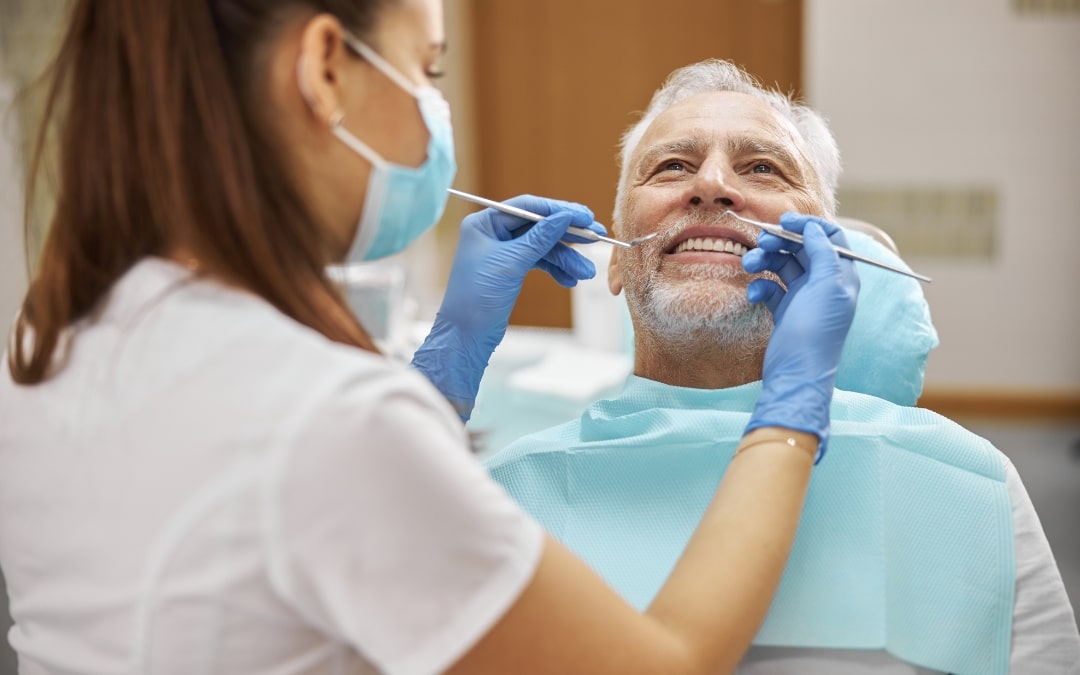
Growing older brings many changes, and oral health is one area that deserves continued attention. While some dental problems become more common with age, losing teeth or living with constant dental discomfort should not be considered a normal part of getting older. With simple daily habits and regular professional care, seniors can protect their teeth, gums, and overall oral comfort.
Oral health can affect much more than a person’s smile. Dental problems may make chewing uncomfortable, interfere with eating nutritious foods, or affect confidence when speaking and socializing. That is why seniors should make dental care a regular part of their overall wellness routine.
Why Dental Care Matters as You Age
Older adults may experience several changes in their mouths over time. Gum recession can expose sensitive areas of the teeth, while worn enamel may make teeth more vulnerable to decay. Dry mouth is another common concern, particularly for people who take medications that reduce saliva production.
These changes do not mean that dental problems are unavoidable. Regular checkups and good home care can help identify concerns early and keep the mouth healthier. Paying attention to small changes can also prevent minor problems from becoming painful or difficult to treat.
Visit Your Dentist Regularly
Routine dental appointments are important at every stage of life. During a checkup, your dentist can look for cavities, gum problems, signs of infection, worn teeth, and other changes that may not be noticeable at home.
A family dentist in Mesa can also help seniors develop a dental care routine that fits their individual needs. Professional cleanings remove plaque and tartar that regular brushing may leave behind. Regular examinations also give seniors an opportunity to discuss sensitivity, dry mouth, difficulty chewing, or any other oral concerns.
Keep Brushing and Flossing Every Day
Daily oral hygiene remains one of the best ways to protect your smile. Seniors should generally brush their teeth twice a day with a soft-bristled toothbrush and fluoride toothpaste. Gentle brushing is important, especially when the gums have become more sensitive or have started to recede.
Cleaning between the teeth is equally important because toothbrush bristles cannot reach every area. Traditional floss works well, but floss holders or interdental brushes may be easier for people who have arthritis or difficulty with hand movement.
Drink Enough Water
Dry mouth can make the mouth feel uncomfortable and may increase the risk of cavities. It can also make chewing, swallowing, and speaking less comfortable.
Drinking water regularly throughout the day can help keep the mouth moist. Seniors should also avoid relying heavily on sugary beverages to stay hydrated. If dry mouth continues despite drinking enough water, mention it during a dental appointment. The underlying cause may be related to medication or another health concern.
Choose Foods That Support Oral Health
A nutritious diet benefits both the body and the mouth. Seniors should include foods that provide important nutrients such as calcium, vitamin D, protein, and fiber.
Cheese, yogurt, leafy greens, vegetables, lean proteins, and other nutrient-rich foods can be useful choices. It is also wise to limit frequent snacking on candy, cookies, and other sugary foods. Sugar left on the teeth can contribute to plaque buildup and tooth decay.
Talk to Your Dentist About Medications
Many seniors take medications regularly, and some can affect oral health. Dry mouth is a common side effect, but certain medications may also contribute to other changes in the mouth.
Keep your dentist informed about the medications and supplements you take. This information can help the dental team understand potential causes of oral symptoms and recommend appropriate care. If you suspect a medication is causing a problem, speak with your healthcare provider before making any changes to your treatment.
Pay Attention to Your Gums
Healthy gums help support natural teeth. Gum disease can develop when plaque remains around the teeth and gumline. Warning signs may include redness, swelling, tenderness, bleeding, persistent bad breath, or gums that appear to be pulling away from the teeth.
Do not assume bleeding gums are simply a consequence of aging. If you notice changes in your gums, let your dentist know. Early attention can help prevent gum problems from becoming more serious.
Don’t Ignore Dental Pain
A toothache, sensitivity, swelling, or difficulty chewing deserves attention. Seniors sometimes delay dental care because they assume discomfort is part of getting older. It isn’t.
Persistent pain can have several causes, including decay, infection, gum problems, or damage to a tooth. Getting the problem evaluated early can help prevent it from worsening and may make treatment more straightforward.
Make Oral Hygiene Easier
Some seniors find brushing and flossing more difficult because of arthritis, reduced mobility, or other physical limitations. Small changes to the daily routine can make a big difference.
An electric toothbrush may be easier to control than a manual toothbrush. A toothbrush with a larger handle can also be more comfortable for people with limited hand strength. If maintaining oral hygiene independently becomes difficult, a family member or caregiver can provide assistance when appropriate.
Don’t Skip Preventive Dental Visits
Preventive care can help seniors stay ahead of dental problems. Professional cleanings and routine examinations give the dentist an opportunity to monitor changes and recommend treatment when necessary.
Keeping regular appointments is especially helpful for seniors who have a history of cavities, gum disease, dry mouth, or other ongoing oral health concerns. A consistent dental routine can help preserve natural teeth and support a more comfortable smile.
Keep Your Smile Healthy at Every Age
Taking care of your teeth and gums becomes even more important as you get older. Brushing and flossing regularly, drinking enough water, eating a balanced diet, paying attention to changes in your mouth, and keeping routine dental appointments can all contribute to better oral health.
At Rauch Family Dentistry, seniors can receive personalized care based on their individual dental needs and concerns. A reliable dental care routine can help protect natural teeth, improve comfort, and support a healthier quality of life.
Schedule an appointment today and take an important step toward maintaining your healthy smile.
Frequently Asked Questions
How often should seniors visit the dentist?
Many seniors benefit from dental visits every six months, but the ideal schedule depends on their individual oral health. Your dentist may recommend more frequent visits when there are existing dental or gum concerns.
Is tooth loss unavoidable with age?
No. Tooth loss is not an inevitable part of aging. Good oral hygiene, regular dental visits, and timely treatment can help many older adults maintain their natural teeth.
What can seniors do about dry mouth?
Drink water regularly and avoid excessive sugary or acidic beverages. If dry mouth persists, talk with your dentist because medications and certain health conditions can contribute to the problem.
Should seniors use fluoride toothpaste?
Fluoride toothpaste can help strengthen enamel and prevent cavities. Seniors should use it as part of their regular brushing routine unless their dental professional recommends otherwise.
What should I do if my gums bleed?
Bleeding gums can be a sign of gum inflammation or disease. Continue gentle oral hygiene and schedule a dental evaluation to determine why the bleeding is occurring.
Can medications affect oral health?
Yes. Some medications can reduce saliva production and contribute to dry mouth, which may increase the risk of dental problems. Tell your dentist about all medications you take.
When should seniors seek urgent dental care?
Severe tooth pain, facial swelling, significant oral bleeding, or signs of infection should receive prompt dental attention. Contact a dental professional as soon as possible if these symptoms occur.