

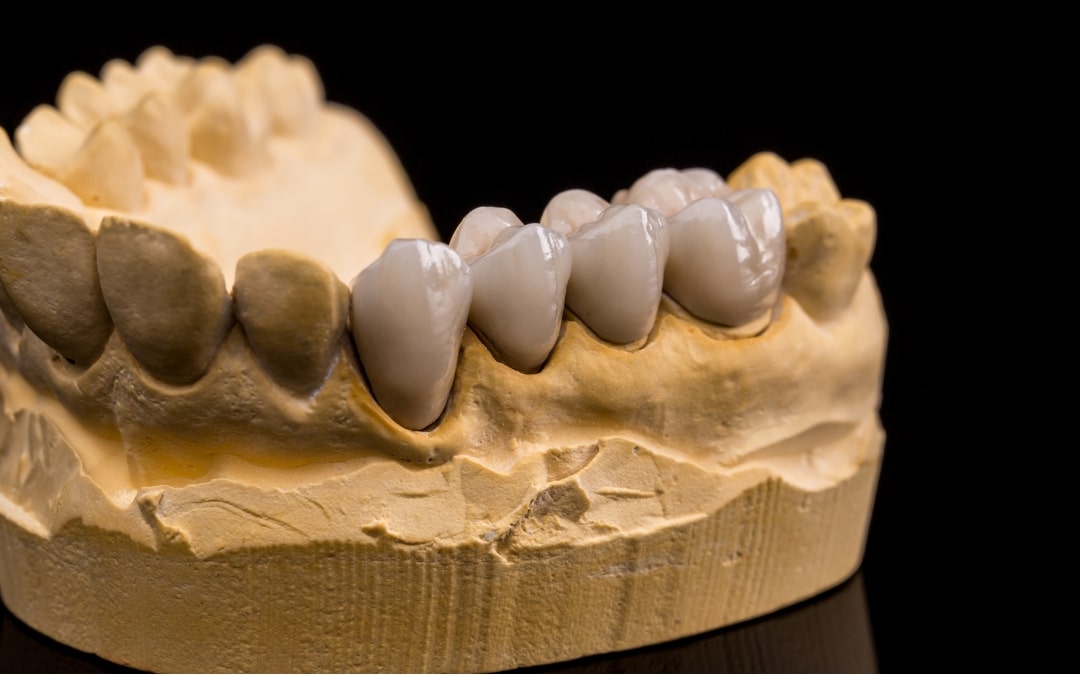
A dental bridge can make a noticeable difference when one or more teeth are missing. It fills the open space, supports everyday chewing, and helps keep nearby teeth from moving into the gap. While bridges are made to stay securely in place for years, they can sometimes loosen or come out unexpectedly.
A bridge may become loose because of changes in the supporting teeth, tooth decay, damage to the restoration, normal wear, or a loss of the material holding it in place. Seeing your bridge outside your mouth can be concerning, but there are practical steps you can take before you get professional care.
Call Your Dentist Without Waiting
Start by contacting your dental office once you realize the bridge has come loose or fallen out. Even when there is little or no discomfort, the teeth underneath the restoration may need attention.
Your dentist can inspect the bridge, check the supporting teeth, and determine what caused the problem. Depending on what they find, the bridge may be suitable for reattachment, or you may need a repair or replacement.
Until you are examined, avoid using that side of your mouth for chewing. This reduces unnecessary pressure on the exposed teeth and the surrounding tissues.
Save the Bridge Instead of Throwing It Away
Look for the bridge and any pieces that may have broken away. Pick it up carefully and rinse it gently with clean water if food or other debris is attached.
After rinsing, put the restoration in a clean container where it will not be crushed, misplaced, or accidentally thrown away. Avoid wrapping it in a tissue or paper towel because it can easily be mistaken for trash.
Take the bridge with you when you visit the dentist. Its condition and fit can help your dental professional decide whether it can still be used.
Stay Away From Household Glue
When a bridge comes loose, putting it back permanently may seem like the quickest solution. Household products such as superglue, craft glue, or other strong adhesives should never be used inside your mouth.
These products are not made for dental restorations and may irritate the gums or make later treatment more difficult. They can also interfere with the dentist’s ability to properly clean and examine the area.
If you need prompt dental care, a dentist Mesa patients can visit can examine the exposed area and determine the safest next step. This is particularly important if the supporting tooth is painful, damaged, or unusually sensitive.
Do Not Force the Bridge Back Into Place
Sometimes a bridge may appear to fit over the supporting teeth after it has come out. If it naturally settles into position without pressure and your dentist has previously told you how to handle a loose restoration, follow those instructions.
However, never push the bridge down or bite firmly to make it fit. A restoration that feels tight, painful, unstable, or uneven should be left out.
Trying to force it into place could cause additional damage to the bridge or the teeth underneath it. Keep the restoration safely stored and let your dentist determine whether it should be reattached.
Protect the Exposed Area Until You Are Seen
While waiting for your appointment, be gentle with the area where the bridge was located. Softer foods are generally easier to manage, while hard, crunchy, chewy, and sticky foods can place unnecessary stress on the exposed teeth.
Continue your normal oral hygiene routine, but brush carefully around the affected area. Keeping plaque and food debris under control is important, particularly when a supporting tooth is exposed.
If the area is sensitive, temporarily avoiding very hot or cold foods and beverages may also help reduce discomfort. The dental team at Rauch Family Dentistry can examine the restoration and supporting teeth and discuss the appropriate next step.
What Not to Do When Your Dental Bridge Falls Out
Knowing what to avoid can be just as important as knowing what to do. Until your dentist evaluates the situation:
- Do not attach the bridge with superglue or household adhesive.
- Do not force the restoration back into its original position.
- Avoid chewing on the side where the bridge was attached.
- Stay away from very hard, sticky, or crunchy foods.
- Do not throw the bridge away, even if it appears damaged.
- Avoid repeatedly touching the exposed area.
- Do not ignore the problem simply because you are not experiencing pain.
If you develop considerable pain, swelling, bleeding, or damage to a supporting tooth, contact a dental professional promptly.
Can a Dentist Reattach a Bridge That Fell Out?
A fallen bridge does not automatically mean that it needs to be replaced. In some cases, the restoration can be secured again if it remains intact and the teeth supporting it are healthy.
Before deciding, your dentist will examine the bridge and the underlying teeth. If decay, damage, or changes in the supporting teeth are present, repairing the underlying problem may be necessary before another restoration can be placed.
The condition and fit of the existing bridge will also influence whether reattachment is appropriate.
How Can You Help Prevent a Dental Bridge From Loosening?
Taking care of your bridge starts with taking care of the teeth that support it. Brush regularly, clean between your teeth as recommended by your dental professional, and keep up with routine dental visits.
Try not to use your teeth to bite hard objects, and be cautious with foods that could put excessive force on a restoration. Regular examinations also give your dentist an opportunity to identify problems with the supporting teeth before they affect the bridge.
Final Thoughts
A dental bridge coming out can happen unexpectedly, but there is no need to make the situation worse with a rushed repair. Save the restoration, avoid household adhesives, protect the exposed area, and contact your dentist for an examination.
Prompt professional care allows the condition of the bridge and supporting teeth to be checked before the problem develops into a larger oral health concern.
If your dental bridge has fallen out or become loose, schedule an appointment with your dentist for an evaluation.
Frequently Asked Questions
What should I do right after my dental bridge falls out?
Contact your dentist, locate the bridge, and place it somewhere clean and safe. Avoid chewing on the affected side until the area has been evaluated.
Should I put my dental bridge back in?
Do not force it back into position. If it naturally rests in place without discomfort, follow any specific instructions your dentist has given you. Otherwise, keep it out and bring it to your appointment.
Can a fallen dental bridge be reused?
It may be possible. Your dentist will examine both the restoration and the supporting teeth to determine whether the existing bridge can be reattached or whether replacement is necessary.
Why would a dental bridge suddenly fall out?
Several factors can contribute, including decay around a supporting tooth, damage to the restoration, changes in the supporting teeth, normal wear, or weakening of the material that holds the bridge in place.
What should I eat while waiting for dental treatment?
Choose softer foods that require less chewing. Avoid sticky, hard, and crunchy foods, and try to chew on the opposite side of your mouth.
Is it a problem if my fallen bridge does not hurt?
It still needs attention. Some problems affecting the supporting teeth may not cause noticeable symptoms right away. Having the area examined can help identify an underlying issue.
How can I keep a dental bridge from falling out again?
Good oral hygiene, regular dental examinations, and avoiding excessive pressure on the restoration can help protect your bridge. Your dentist can also check the supporting teeth and the condition of the bridge during routine visits.