

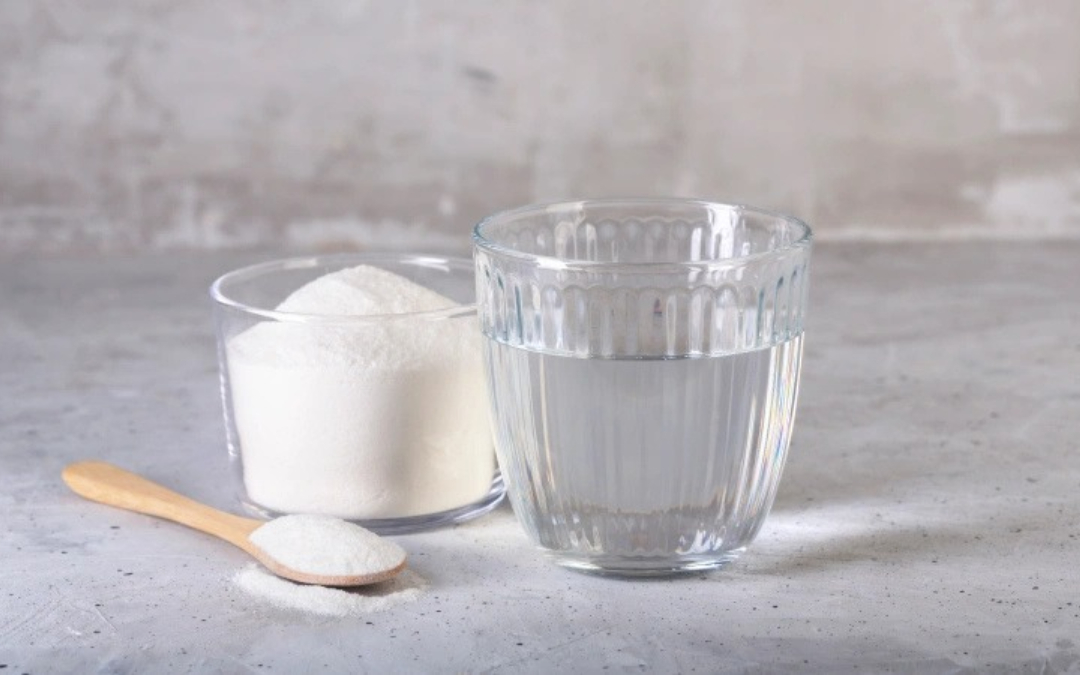
When your gums feel swollen, tender, or irritated, a simple salt water rinse may seem like an easy way to find relief. This home remedy has been used for generations, and many people still turn to it when they notice bleeding gums or discomfort while brushing. Although it may seem like a basic solution, warm salt water can offer several benefits for maintaining gum comfort and supporting oral health.
Periodontal disease, commonly known as gum disease, develops when bacteria accumulate around the teeth and beneath the gumline. This buildup can trigger inflammation, causing the gums to become red, swollen, and prone to bleeding. Without proper treatment, the condition can gradually damage the tissues and bone that support your teeth.
During the early stages of gum disease, known as gingivitis, symptoms may include mild swelling, tenderness, and bleeding during brushing or flossing. A warm salt water rinse may help soothe these symptoms by washing away loose debris and temporarily improving comfort. However, its benefits become more limited as the disease progresses.
If you are experiencing recurring gum irritation or bleeding, consulting a dentist in Mesa, AZ can help you understand what’s happening beneath the gumline. Professional evaluation is especially important because periodontal disease can progress without causing significant pain in its early stages. A dental professional can recommend appropriate treatment and explain whether salt water rinses are suitable for your situation.
How Does Salt Water Help With Gum Health?
Salt water does more than simply freshen your mouth. When prepared correctly, it creates a gentle rinsing solution that can support irritated gum tissue. Here are some ways it may help.
Helps Reduce Bacteria and Debris
Swishing warm salt water around your mouth can loosen food particles and remove some debris from areas near the gumline. This helps keep the mouth cleaner and may temporarily reduce the bacterial buildup that contributes to irritation.
However, rinsing alone cannot remove sticky plaque or hardened tartar. Regular brushing, flossing, and professional dental cleanings remain essential for controlling harmful bacteria.
Soothes Swollen and Tender Gums
Inflamed gums can feel uncomfortable during everyday activities, including eating, brushing, and flossing. A gentle salt water rinse may help calm irritation and provide temporary relief.
The warm solution can also make rinsing more comfortable when your gum tissue feels sensitive. Avoid using hot water, as excessive heat can irritate already inflamed areas.
Supports Natural Tissue Recovery
Healthy gum tissue needs a clean environment to recover from irritation. Salt water rinses can help wash away loose debris and keep the mouth feeling cleaner while your gums heal.
Dental professionals sometimes recommend these rinses after certain procedures, including deep cleaning, to help patients maintain oral comfort during recovery. However, salt water does not directly rebuild damaged gum tissue or restore lost bone.
Offers a Simple and Inexpensive Home Care Option
You don’t need a specialized product or expensive equipment to prepare a salt water rinse. Ordinary household salt and clean, warm water are generally enough.
Because the ingredients are easy to find, this remedy can be a convenient addition to your oral hygiene routine when used appropriately.
Can Salt Water Cure Periodontal Disease?
No. Although salt water may temporarily reduce gum irritation, it cannot cure periodontal disease.
Gum disease develops when bacterial plaque accumulates around the teeth and triggers an inflammatory response. As the condition advances, the gums may begin separating from the teeth, creating pockets where bacteria can collect. Eventually, the infection can damage the supporting bone and tissues.
A salt water rinse cannot remove hardened tartar beneath the gums, eliminate deep periodontal pockets, or reverse bone loss. It also cannot replace treatments designed to control the underlying infection.
For early gum inflammation, professional cleaning and improved daily oral hygiene may help restore gum health. More advanced periodontal disease may require scaling and root planing or other specialized procedures.
Think of salt water as a supportive home care measure rather than a treatment for the disease itself.
How to Prepare and Use a Salt Water Rinse
Making a salt water rinse at home is straightforward. The important thing is to use the right concentration and avoid rinsing excessively.
What You’ll Need
- 1 cup of clean, warm water
- ½ teaspoon of regular table salt
Steps to Follow
- Pour the warm water into a clean glass.
- Add the salt and stir until it dissolves completely.
- Take a small mouthful and gently swish it around for approximately 30 seconds.
- Pay attention to areas where your gums feel irritated.
- Spit out the solution rather than swallowing it.
You can generally use this rinse once or twice daily for temporary relief, unless your dentist recommends a different schedule. If you notice increased irritation or dryness, discontinue use and ask your dental provider for guidance.
What Are the Signs That You Need Professional Gum Treatment?
Occasional gum irritation may not indicate a serious problem. However, certain symptoms can suggest that periodontal disease is developing or becoming more advanced.
Watch for the following warning signs:
- Bleeding during brushing or flossing: Healthy gums should not bleed regularly during routine cleaning.
- Persistent gum swelling: Redness and puffiness may indicate ongoing inflammation.
- Receding gums: Your teeth may begin to look longer as the gum tissue pulls away.
- Persistent bad breath: Bacteria accumulating around the gumline can contribute to unpleasant breath.
- Loose or shifting teeth: Advanced periodontal disease can weaken the structures supporting your teeth.
- Changes in your bite: Damaged supporting tissues may affect how your teeth fit together.
If you notice these symptoms, don’t depend on salt water rinses alone. Early diagnosis and appropriate periodontal care can help prevent further damage and protect your natural teeth.
Better Ways to Maintain Healthy Gums
Salt water rinses can complement your oral care routine, but long-term gum health depends on consistent habits and professional attention.
- Brush twice daily: Use a soft-bristled toothbrush and fluoride toothpaste to remove plaque without irritating your gums.
- Floss every day: Clean between your teeth to remove food particles and plaque that brushing may miss.
- Attend regular dental cleanings: Professional cleanings remove tartar that cannot be eliminated with a toothbrush.
- Avoid tobacco products: Smoking and other tobacco use can increase the risk of gum disease and interfere with healing.
- Choose a balanced diet: Include vegetables, fruits, and nutrient-rich foods that support overall oral health.
- Follow your treatment plan: If you have periodontal disease, follow your dentist’s recommendations instead of relying exclusively on home remedies.
These habits can help control plaque buildup and reduce the risk of future gum problems.
Final Thoughts
Salt water rinses can be helpful when your gums feel irritated, swollen, or tender. They offer a simple way to rinse away loose debris, improve oral comfort, and support everyday gum care. However, they cannot eliminate periodontal infections, remove hardened tartar, or repair damage to the bone and tissues surrounding your teeth.
The most effective approach combines good oral hygiene, routine professional cleanings, and timely periodontal treatment when needed. Paying attention to early symptoms can make a meaningful difference in protecting your gums and maintaining a healthy smile.
If you’re experiencing bleeding, swelling, gum recession, or other signs of periodontal disease, schedule an appointment with Rauch Family Dentistry in Mesa, AZ, today for a dental evaluation and personalized care.
Frequently Asked Questions
Is salt water good for periodontal disease?
Salt water rinses may help soothe irritated gums and wash away loose debris. However, they cannot cure periodontal disease or stop its progression without appropriate professional treatment.
Can warm salt water help with bleeding gums?
Yes, a gentle salt water rinse may temporarily soothe inflamed gums. However, recurring bleeding can indicate gingivitis or periodontal disease and should be evaluated by a dental professional.
How many times a day should I rinse with salt water?
For temporary gum relief, once or twice daily is generally sufficient. Follow your dentist’s instructions if they recommend a different frequency, and avoid excessive rinsing.
Does salt water remove plaque from teeth?
No. Rinsing may loosen food particles and debris, but it cannot effectively remove sticky plaque or hardened tartar. Brushing, flossing, and professional cleanings are necessary to manage plaque buildup.
Can salt water reverse gum recession?
No. Salt water may help soothe irritated gum tissue, but it cannot restore gum tissue that has already receded. A dental professional can evaluate the cause and discuss suitable treatment options.
Is it safe to use salt water every day?
Using a mild salt water solution occasionally or for short periods is generally safe for most people. However, frequent use of concentrated solutions may cause irritation or dryness. Ask your dentist about the best approach for your oral health needs.
When should I see a dentist for periodontal disease?
You should seek professional care if you experience persistent bleeding, swollen gums, gum recession, ongoing bad breath, or loose teeth. Early evaluation can help identify the severity of gum disease and determine the appropriate treatment.