

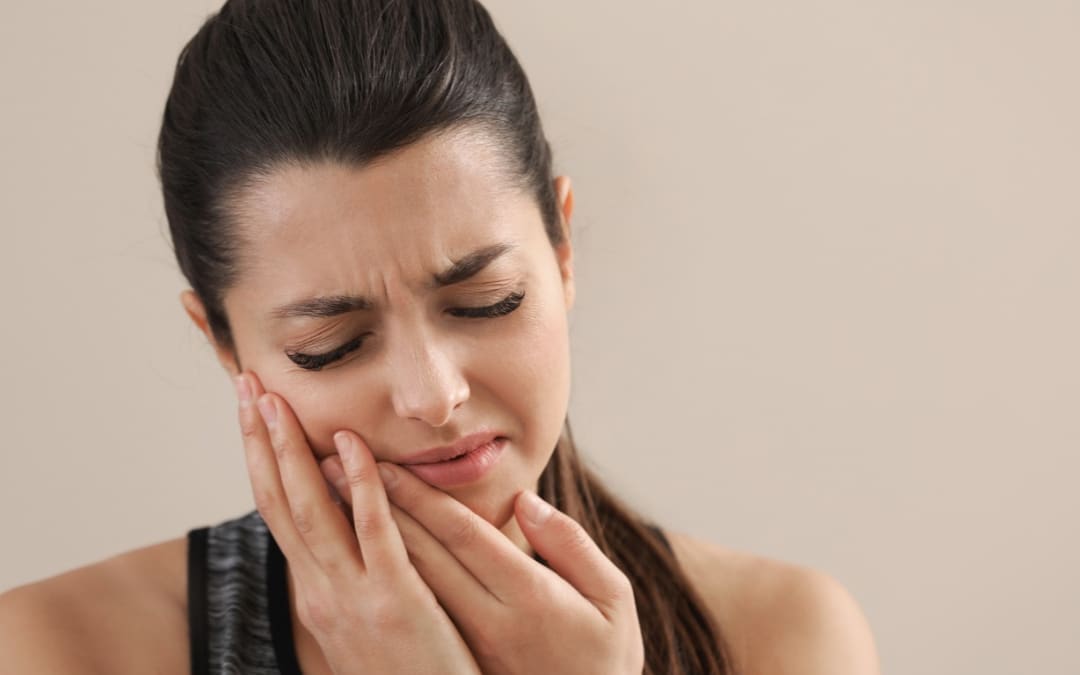
Running is supposed to make you feel stronger, healthier, and more energized. But what happens when every step brings an unexpected ache in your teeth? Whether you are training for a local race, jogging around your neighborhood, or simply trying to stay active, tooth pain can quickly turn an enjoyable workout into an uncomfortable experience.
Experiencing tooth pain while running may seem unusual, but it can happen for several reasons. Changes in breathing, cold air exposure, jaw clenching, and underlying dental problems can all contribute to discomfort during physical activity. Sometimes, the pain disappears once you stop running. In other cases, it may signal a dental issue that needs attention.
Understanding what triggers this discomfort can help you protect your oral health without giving up your favorite activities. If you live an active lifestyle in Mesa, AZ, knowing when to take dental discomfort seriously can make a difference.
Why Does Running Cause Tooth Pain?
Running increases your heart rate, breathing rate, and overall physical activity. These changes can make existing dental problems more noticeable. However, exercise itself does not normally cause healthy teeth to hurt.
Several factors may explain why discomfort appears during a workout. The location, intensity, and duration of the pain can offer useful clues about its possible cause.
For example, people who notice discomfort while jogging may benefit from an evaluation with a dentist in Mesa to determine whether tooth sensitivity, tooth decay, or another oral health concern is responsible.
Common Causes of Tooth Pain During Physical Activity
Tooth Sensitivity to Cold Air
One of the common reasons for tooth sensitivity while running is exposure to cold air. When you run outdoors, you may breathe through your mouth more frequently. Cool air can reach sensitive tooth surfaces and trigger a sharp, temporary sensation.
This may happen when the protective enamel wears down or the gums recede, exposing the underlying dentin. Dentin contains tiny channels that connect to the nerves inside your teeth, making them more responsive to temperature changes.
You may notice:
- A sudden sharp sensation when breathing through your mouth.
- Discomfort that becomes stronger in cold or windy weather.
- Sensitivity that disappears shortly after you stop running.
Using toothpaste designed for sensitive teeth and discussing persistent symptoms with your dental provider may help.
Jaw Clenching While Running
Many runners unknowingly tighten their jaws during intense workouts. This habit can place additional pressure on the teeth and surrounding muscles.
Jaw clenching may become more noticeable during uphill runs, sprint intervals, or longer training sessions. Over time, repeated pressure can contribute to tooth discomfort, jaw soreness, headaches, and even damage to existing dental restorations.
Try keeping your jaw relaxed while running. Your teeth should remain slightly apart rather than pressed tightly together.
Untreated Tooth Decay
A cavity may not cause noticeable discomfort during everyday activities. However, running can make an existing problem more noticeable, particularly when increased airflow or temperature changes affect an already sensitive tooth.
As tooth decay progresses, bacteria damage the enamel and may eventually reach the inner layers of the tooth. This can lead to sensitivity, persistent aching, or sharp pain when chewing.
If you experience toothache when jogging and also notice discomfort while eating or drinking, arrange a dental examination rather than assuming exercise is the only trigger.
Cracked or Damaged Teeth
Small cracks in teeth are not always easy to recognize. Some may cause little or no discomfort at first.
However, movement, pressure from jaw clenching, or changes in temperature may aggravate an already damaged tooth. You might experience occasional sharp pain that comes and goes rather than a constant ache.
A dentist can examine the tooth and recommend appropriate treatment based on the location and severity of the damage.
Gum Recession and Exposed Tooth Roots
Healthy gums help protect the roots of your teeth. When gum tissue recedes, the root surfaces become exposed and more vulnerable to temperature changes and irritation.
This can make breathing in cold outdoor air particularly uncomfortable during a run. Gum recession may also result from aggressive brushing, gum disease, or other oral health concerns.
If your teeth look longer than before or you notice sensitivity near the gumline, consider having your gums evaluated.
Can Sinus Problems Cause Tooth Pain While Running?
Yes. Sometimes, the discomfort you feel in your upper teeth does not actually originate in your teeth.
Your upper back teeth sit close to the maxillary sinuses. When these sinus cavities become inflamed or congested, pressure can spread toward the upper jaw and create a toothache-like sensation.
Running may make this discomfort more noticeable because of changes in breathing and physical exertion.
Common accompanying symptoms include:
- Pressure around the cheeks and nose.
- Nasal congestion or a runny nose.
- Discomfort affecting several upper teeth.
- Facial tenderness or headaches.
If the pain affects multiple upper teeth and occurs alongside sinus symptoms, the source may not be dental. A healthcare provider can help determine the cause.
How to Prevent Tooth Pain During Exercise
You do not necessarily need to stop exercising because of occasional dental discomfort. However, taking a few precautions can help reduce common triggers.
- Stay hydrated: Drink water before, during, and after your workout. Adequate hydration helps maintain saliva production, which protects your teeth by washing away food particles and neutralizing acids.
- Protect your teeth from cold air: If cold weather triggers sensitivity, consider breathing through your nose when comfortable or covering your mouth with a breathable face covering.
- Avoid jaw clenching: Pay attention to your facial muscles during exercise. Keep your jaw relaxed, especially during demanding portions of your run.
- Maintain a consistent oral hygiene routine: Brush twice daily with fluoride toothpaste and clean between your teeth every day. These habits help reduce the risk of cavities and gum problems.
- Do not ignore recurring discomfort: If pain repeatedly appears during workouts, schedule a dental examination. Early evaluation can help identify problems before they become more complicated.
When Should You See a Dentist?
Occasional sensitivity may not indicate a serious problem, but recurring or worsening discomfort deserves attention.
Consider scheduling a dental visit if you experience:
- Tooth pain that continues after exercise.
- Sensitivity when drinking cold or hot beverages.
- Pain when biting or chewing.
- Swollen or bleeding gums.
- A visible crack, chipped tooth, or dark spot.
- Tooth discomfort that becomes more frequent over time.
Protect Your Smile With Regular Dental Care in Mesa
An active lifestyle and good oral health should go hand in hand. At Rauch Family Dentistry, patients in Mesa, AZ, can receive dental evaluations to identify possible causes of sensitivity, discomfort, and other oral health concerns.
If running regularly leaves you with an aching tooth, do not rely on temporary relief alone. A dental examination can help determine whether decay, gum recession, a cracked tooth, or another issue needs attention. Addressing the underlying cause can help you return to your regular activities with greater comfort and confidence.
Your smile deserves the same attention as the rest of your health. If you have recurring dental discomfort, contact Rauch Family Dentistry to discuss your symptoms and schedule an appointment.
Frequently Asked Questions
Why do my teeth hurt only when I run?
Cold air exposure, jaw clenching, sensitive tooth roots, and existing dental problems may cause discomfort during running. A dental examination can help identify the specific trigger.
Can running make tooth sensitivity worse?
Yes. Increased mouth breathing can expose sensitive teeth to cold or dry air. Existing enamel erosion, gum recession, or cavities may make this discomfort more noticeable.
Should I stop running if my teeth hurt?
If the discomfort is mild and temporary, you may be able to adjust your breathing and monitor the symptoms. However, stop exercising and seek medical attention if you experience tooth or jaw pain with possible heart-related warning signs. Recurring dental pain also deserves professional evaluation.
Can dehydration cause tooth pain during exercise?
Dehydration can reduce saliva production and contribute to dry mouth. Saliva helps protect teeth from acids and irritation, so reduced saliva may aggravate existing sensitivity. However, dehydration is not the only possible cause of exercise-related tooth pain.
Can a cavity cause pain when jogging?
Yes. A cavity can make a tooth sensitive to temperature changes and other forms of irritation. Running may make the discomfort more noticeable, but the cavity itself needs dental evaluation and appropriate treatment.
Why do my upper teeth hurt when I run?
Sinus pressure, exposed tooth roots, cavities, and other dental conditions can contribute to upper tooth discomfort. If several upper teeth hurt alongside nasal congestion or facial pressure, sinus inflammation may be involved.