

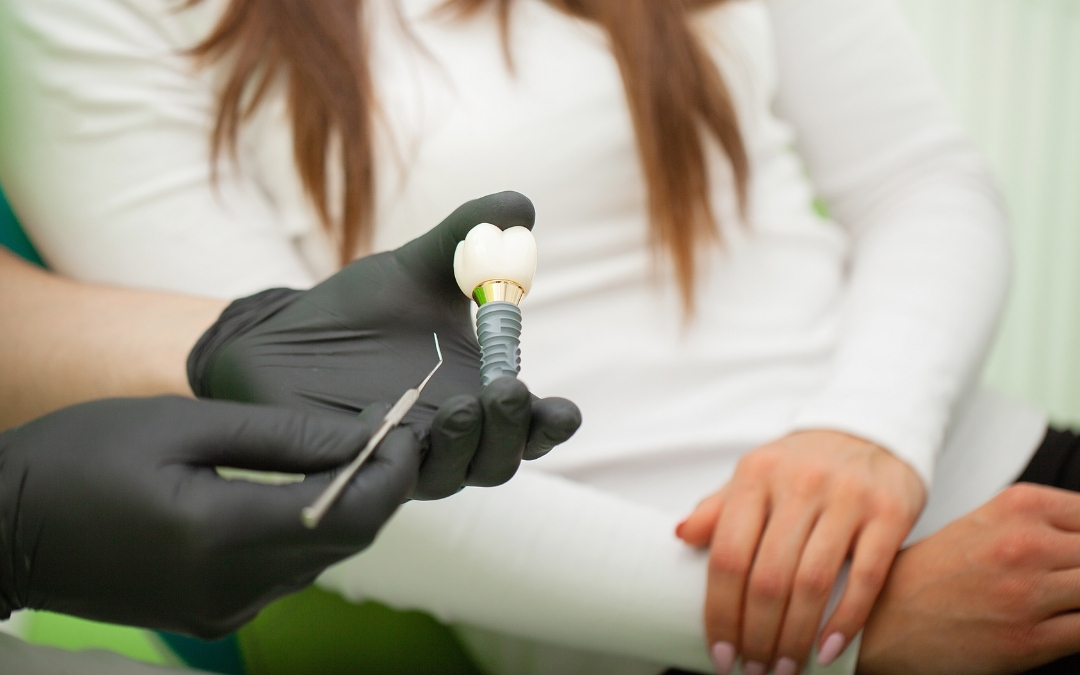
If you have dental implants—or you’re thinking about getting them—you may be wondering whether they need special cleaning or extra care. It’s a common question, and the good news is that dental implants don’t require complicated routines or unusual products. In many ways, you care for them just like your natural teeth.
That said, implants do rely on healthy gums and good daily habits to stay strong. A little consistency goes a long way when it comes to protecting your smile.
How Dental Implants Fit Into Your Daily Routine
Dental implants are designed to function like natural teeth. They’re stable, comfortable, and built to last. While implants themselves can’t get cavities, the gums and bone around them can still become irritated or infected if plaque builds up.
This is why implant care focuses less on “special cleaning” and more on maintaining healthy gums and a clean mouth overall.
Why Implant Care Is So Important
Even though implants are strong, they’re not completely maintenance-free. Without proper oral hygiene, bacteria can collect around the implant and cause inflammation of the surrounding tissue. Over time, this may affect how well the implant stays anchored in the jaw.
Many patients choosing dental implants in Mesa appreciate that implants feel natural—but they’re often surprised to learn how important daily care is for keeping that natural feel long-term.
Simple Daily Care Tips for Dental Implants
Brushing Makes a Big Difference
Brush at least twice a day using a soft-bristled toothbrush. Be gentle around the implant and along the gumline, where plaque tends to hide. There’s no need to scrub—steady, careful brushing is more effective and kinder to your gums.
Don’t Skip Flossing
Flossing helps remove food particles and plaque from places your toothbrush can’t reach. Around implants, this step is especially important. Interdental brushes or implant-friendly floss can make cleaning easier and more comfortable.
Choose the Right Toothpaste
A non-abrasive toothpaste is best for implants. Harsh toothpaste can create tiny surface scratches, which may allow bacteria to build up over time.
Is Mouthwash Helpful for Implant Care?
Yes—using an antibacterial, alcohol-free mouthwash can be a helpful addition to your routine. It supports gum health and helps control bacteria around implants without irritating sensitive tissues.
Patients who work closely with an experienced implant dentist in Mesa are often encouraged to use mouthwash as part of a well-rounded home care routine, especially if they’re prone to gum inflammation.
The Value of Regular Dental Visits
Routine Checkups Matter
Seeing your dentist regularly allows small issues to be caught early—before they become bigger problems. Your dentist can check the health of your gums, make sure your bite is balanced, and ensure your implant remains secure.
Professional Cleanings Keep Implants Healthy
Even with excellent home care, plaque can harden into tartar over time. Professional cleanings remove buildup safely and help protect the gums around your implant.
Habits That Can Affect Dental Implants
Some everyday habits can place extra stress on implants or slow healing, including:
- Smoking or vaping
- Chewing ice or hard foods
- Grinding or clenching your teeth
- Ignoring bleeding or sore gums
Avoiding these habits helps extend the life of both implants and natural teeth.
Nutrition Plays a Role Too
Eating a balanced diet supports gum health and helps your body maintain strong bone and tissue. Staying hydrated and limiting sugary snacks can also reduce plaque buildup around implants.
What If You Grind Your Teeth?
If you grind your teeth at night, your dentist may recommend a nightguard. This helps protect implants from excessive pressure that can weaken the surrounding bone over time.
When Should You Call Your Dentist?
Contact your dentist if you notice:
- Ongoing soreness around an implant
- Swollen or bleeding gums
- A loose or shifting crown
- Changes in how your bite feels
Getting concerns checked early can prevent more serious complications later.
Frequently Asked Questions About Dental Implant Care
Do dental implants need special cleaning tools?
Not necessarily. A soft toothbrush, floss, and non-abrasive toothpaste are usually enough.
Can I care for implants the same way I care for natural teeth?
Yes. Daily brushing, flossing, and regular dental visits are the foundation of good implant care.
How often should implants be professionally cleaned?
Most patients benefit from professional cleanings every six months, unless advised otherwise.
Is some discomfort normal after getting implants?
Mild soreness during healing is normal, but persistent pain should always be checked by a dentist.
Can dental implants last a lifetime?
With good oral hygiene and consistent dental care, implants can last for many years.
A Healthy Routine Helps Implants Last
Dental implants are a reliable, natural-looking solution for missing teeth, but they depend on good daily habits and routine dental care. When you treat them with the same attention you give your natural teeth, they can stay comfortable and functional for the long term.
If you have questions about implant care or are considering treatment, schedule an appointment with Rauch Family Dentistry in Mesa, AZ to receive personalized guidance and ongoing implant support.