

For many people, trying to understand the root of chronic health problems can feel like walking through an endless maze. You follow every lead, talk to specialists, and try a variety of treatments—yet the answers remain unclear. Interestingly, some individuals wonder whether the cause of their ongoing symptoms might actually begin inside the mouth. And this is where the conversation about root canals becomes especially intriguing.
Root canals are common, widely used dental procedures designed to save damaged or infected teeth. But over the years, questions have emerged about whether a treated tooth could still contribute to health concerns later on. While the topic is debated, understanding how root canals work—and when problems can arise—helps bring clarity to the issue.
Why Would a Root Canal Cause Any Trouble?
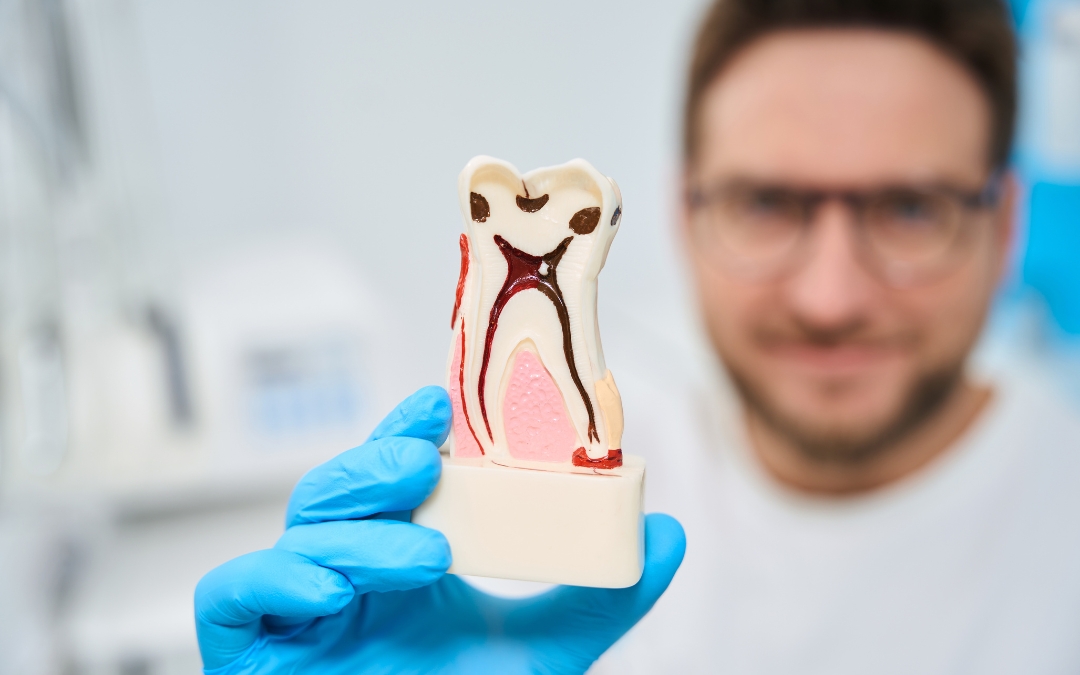
A root canal is performed to remove infected or inflamed pulp from inside the tooth. Once the infection is cleared, the canals are cleaned, shaped, and filled to prevent bacteria from returning. In most cases, this restores the tooth and relieves pain successfully.
But like any medical treatment, complications can occur. Even after the tooth is sealed, tiny areas inside the canals may be difficult to access. If bacteria remain hidden deep within these spaces, they can continue causing irritation or infection. This is often referred to as a “failed root canal.”
Some people notice discomfort, swelling, or recurring issues in the same tooth months or years later. Others wonder if bacteria lingering in a failed root canal tooth could contribute to inflammation that affects overall health. While research is ongoing, it is well-established that untreated oral infections can influence systemic wellness, especially in individuals with compromised immunity.
If you live locally and have been experiencing discomfort or ongoing tooth issues, seeking early evaluation for root canal therapy Mesa can help prevent complications before they progress.
What Problems Can a Root Canal Lead To?
Although root canals are safe when performed by trained professionals, certain problems may arise if infection persists or the tooth does not heal as expected. These include:
Persistent or Recurrent Infection
Sometimes bacteria remain inside the tooth even after treatment. These microorganisms can continue multiplying, leading to swelling, discomfort, or a dull ache.
Abscess Formation
If infection returns, an abscess—an accumulation of pus—may form. This can cause sensitivity, pressure, or pain in the surrounding gums or jaw.
Reinfection from Poor Oral Hygiene
Even a perfectly treated tooth can become reinfected if harmful bacteria enter the gums or root area due to plaque buildup or gum disease.
Bone Loss Around the Tooth
In rare cases, an untreated infection from a failed root canal can lead to jawbone deterioration over time. Prompt treatment is essential to prevent these long-term consequences.
Possible Impact on Overall Wellness
Some individuals report fatigue, headaches, or chronic inflammation they believe originated from unresolved dental infections. While scientific evidence is limited, eliminating oral infections is always recommended for full-body health.
As with any medical condition, these issues vary from person to person. What affects one patient may not affect another, which is why professional evaluation is so important.
How Are Root Canal Infections Treated?
Treatment for root canal-related infections depends on the severity of the issue. In many cases, a retreatment can resolve the problem by reopening the tooth, clearing out remaining bacteria, and resealing the canal. In more complex cases, an endodontic surgery called apicoectomy may be recommended to remove infected tissue near the root tip.
If a tooth cannot be saved, extraction followed by a dental implant or bridge may be the healthier choice. Whatever the solution, timely intervention helps prevent complications and restores comfort.
Between professional care and strong daily habits—like brushing, flossing, and regular dental visits—the risk of reinfection can be significantly lowered. If you’re concerned about ongoing symptoms or suspect a previous dental treatment isn’t healing properly, consulting a dentist Mesa can help you understand your options and protect your long-term oral health.
Final Thoughts
Every root canal story is different. While most procedures are successful and offer long-term relief, others may require follow-up care. Paying attention to changes in your teeth, gums, or overall wellness is always a smart approach. If something feels off—persistent discomfort, swelling, bad taste, or unusual sensitivity—reach out to a dental professional for guidance.
And remember, prevention always beats treatment. Maintaining strong oral hygiene and staying consistent with your dental checkups greatly reduces the chances of needing complex procedures like root canals in the future.
Schedule an appointment today to get clarity on your dental health and ensure your smile stays strong, healthy, and infection-free.
Frequently Asked Questions
Q: Can a root canal really cause chronic health issues?
Most people never develop health problems after a root canal. However, if infection remains or returns, inflammation may affect overall health in some individuals. Discussing concerns with your dentist is the best way to understand your personal risk.
Q: What are the signs of a failed root canal?
Pain, swelling, sensitivity, gum bumps, or recurring discomfort around a treated tooth can indicate a problem.
Q: Can a root canal be redone?
Yes. Retreatment is often successful in clearing persistent infection.
Q: Are there alternatives to getting a root canal?
If a root canal isn’t suitable, extraction followed by an implant, denture, or bridge may be recommended.
Q: How can I prevent needing a root canal?
Brush twice daily, floss daily, limit sugary foods, and maintain regular dental checkups to help prevent decay and infection.