

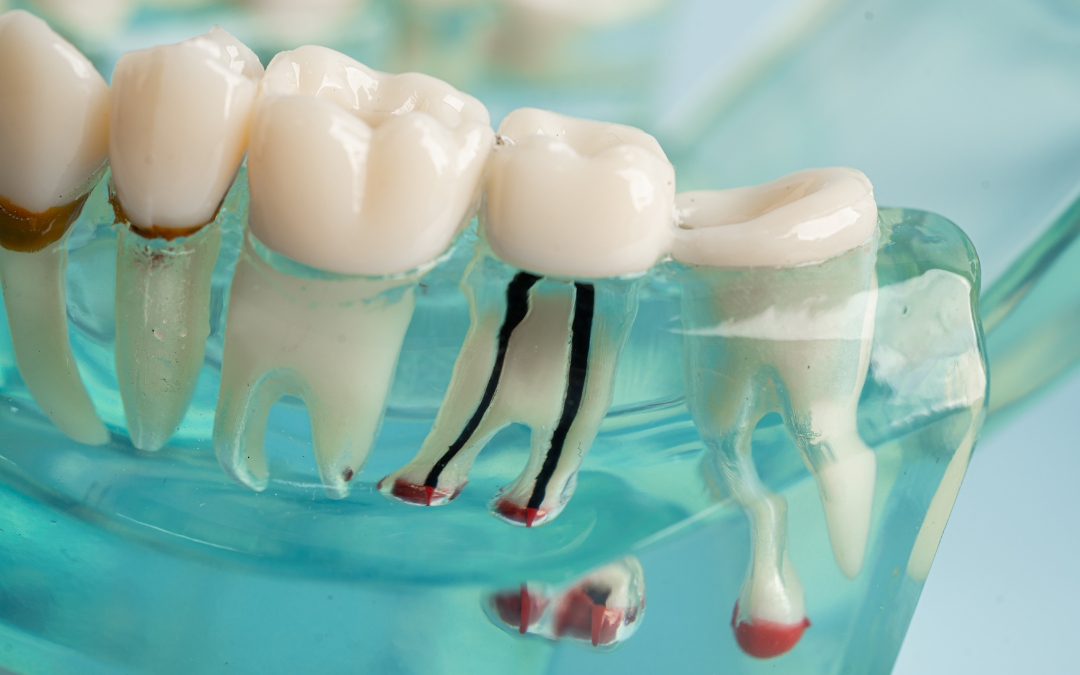
A root canal is one of the most effective procedures for saving a tooth damaged by deep decay or infection. It removes the infected pulp inside the tooth, eliminates bacteria, and seals the area to prevent further problems. While the treatment relieves the source of infection, many patients worry about what comes afterward.
A common concern is whether tooth pain increases in the days following treatment. Understanding what is normal, what may require attention, and how to manage recovery makes the healing process less stressful.
What to Expect in the Days After Root Canal Therapy?
Immediately after the procedure, the treated tooth may feel sensitive once the numbness fades. This discomfort is usually mild and temporary. Patients who undergo root canal therapy in Mesa often ask how long the soreness lasts.
For most, the tenderness begins to ease within a few days and continues to improve over the following week. This gradual healing is a natural response as tissues recover from the procedure.
Why Tooth Pain May Appear After Treatment?
Even though the infected pulp has been removed during RCT, the surrounding tissues—including the ligaments that hold the tooth in place – may remain irritated. The body’s inflammatory response, chewing pressure, or minor swelling can all contribute to short-term tooth pain.
This pain is not usually severe and often responds well to over-the-counter medication. Avoiding hard or crunchy foods and chewing on the opposite side can also help reduce stress on the treated area.
When Pain Becomes a Concern After Root Canal Therapy?
While temporary soreness is normal, there are times when tooth pain should raise concern. If pain increases instead of decreases, or if it becomes sharp and persistent several days after treatment, it may suggest a complication such as:
- A filling or crown that is sitting too high, causing bite pressure
- A hidden canal that was not visible during the initial procedure
- Residual bacteria leading to reinfection
- A small crack in the tooth that requires further attention
Promptly reaching out to your dentist ensures that any issues are resolved quickly and comfortably.
Factors That Influence Post-Treatment Comfort
Every patient’s recovery is slightly different. Several factors influence how much discomfort may occur after RCT:
- Extent of infection – Severe or long-standing infections often take longer to heal.
- Tooth location and complexity – Molars have more canals, making treatment more involved.
- Patient healing response – Some people experience more inflammation or sensitivity than others.
- Restoration needs—If the tooth has not yet received a permanent crown, temporary restorations can sometimes increase sensitivity.
Recognizing these factors helps set expectations and reassure patients about the healing process.
Tips to Manage Tooth Pain During Recovery
Patients can take simple steps at home to encourage a smoother recovery and reduce discomfort:
- Take prescribed or recommended pain medication as directed
- Stick to a soft diet for the first few days
- Avoid chewing directly on the treated tooth until it is fully restored
- Keep the mouth clean with gentle brushing and flossing
- Attend all scheduled follow-up visits to monitor healing
These habits not only ease discomfort but also help protect the tooth while it recovers.
The Role of Follow-Up Care After Root Canal Therapy
Recovery does not end once the procedure is finished. Follow-up visits allow the dentist to check progress and confirm that the tooth is healing properly. A crown is often placed after root canal therapy to strengthen the tooth and prevent fracture.
Skipping this final step may increase the risk of reinfection or damage, so completing treatment is essential for long-term success.
Managing Tooth Pain After RCT
So, does tooth pain increase days after a root canal? Mild soreness for a few days is common, but pain that worsens or lingers is not typical and should be evaluated. Most patients find that with proper care, discomfort fades quickly and the treated tooth feels stronger.
If you are considering root canal therapy in Mesa, Rauch Family Dentistry is here to provide trusted care and guidance throughout your treatment. Book a quick consultation today and contact the nearest dental clinic to protect your oral health and enjoy lasting relief.