

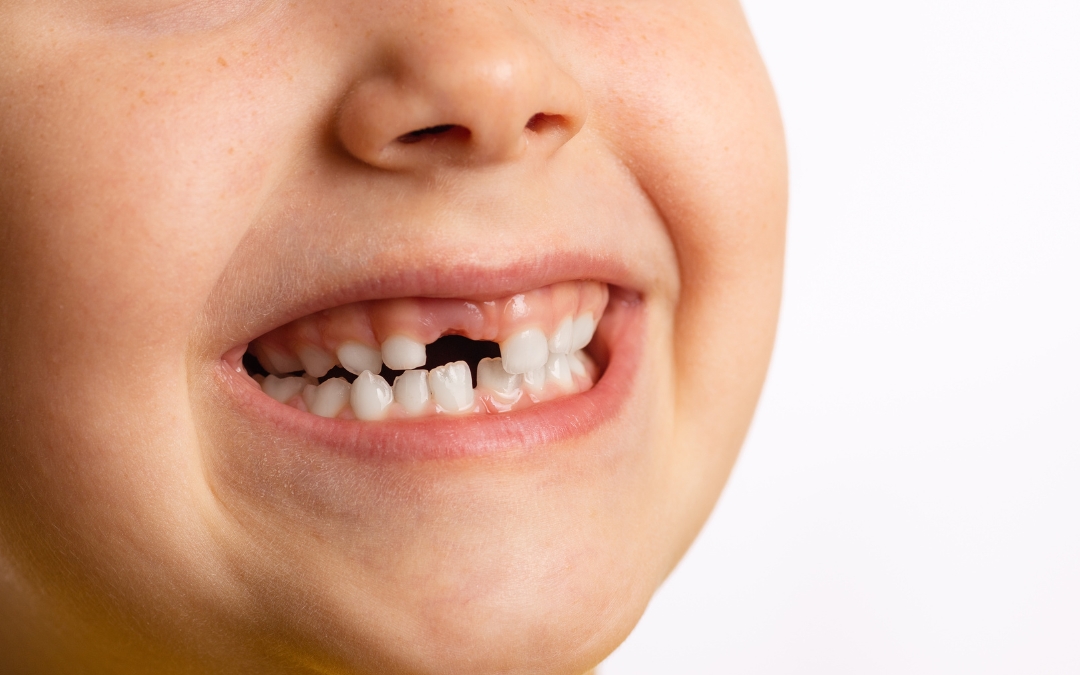
It can happen in seconds — a slip on the playground, a fall at home, or a bump during sports — and suddenly your 7-year-old is holding half of their front tooth in their hand. Seeing a permanent tooth break is upsetting for any parent. The good news is that with quick action and the right dental care, most broken teeth can be successfully treated and restored.
Will a Broken Permanent Tooth Grow Back?
Once a permanent (adult) tooth is damaged, it does not grow back or repair itself naturally. Unlike baby teeth, permanent teeth are designed to last for decades and do not regenerate if part of the structure is lost.
However, modern dentistry offers reliable ways to restore both the strength and appearance of a broken tooth. In many cases, your child’s smile can look completely natural again after treatment.
What Should You Do Immediately After the Tooth Breaks?
Contact a dentist right away
Time matters. Call a dental professional as soon as possible to reduce the risk of infection or further complications. If you’re in Arizona, reaching out to a trusted family dentist Mesa parents rely on can ensure your child receives prompt, experienced care in a calm, supportive setting.
Locate the broken fragment
If you find the piece of the tooth, handle it carefully and place it in milk or your child’s saliva. Avoid rinsing it aggressively or storing it in plain water. Bring it to the dental appointment — in some cases, the fragment can be bonded back into place.
Keep your child comfortable
Dental injuries can be frightening. Offer reassurance and explain that dentists fix teeth like this every day. Staying calm helps your child feel safe and supported.
Treatment Options for a Broken Permanent Tooth
The best solution depends on how much of the tooth is damaged and whether the inner nerve (pulp) is involved. After an examination and possibly X-rays, your dentist will recommend the most appropriate treatment.
Dental Bonding
For minor chips or cracks, bonding is often the simplest option. A tooth-colored composite material is shaped and polished to match the natural tooth. This procedure is typically completed in one visit and restores both function and appearance.
Dental Crown
If a significant portion of the tooth is missing, a crown may be needed. A crown covers and protects the remaining structure, helping the tooth withstand normal biting forces. For children, durable and aesthetic materials are used to ensure comfort and longevity.
Pulp Therapy (Child Root Canal)
When the break exposes or damages the nerve, treatment of the pulp may be necessary. This involves carefully removing the affected tissue, disinfecting the inside of the tooth, and sealing it to prevent infection. The tooth is then reinforced, often with a crown, to restore strength.
Caring for Your Child After a Dental Injury
After initial treatment, proper care helps ensure smooth healing:
Manage discomfort: Use age-appropriate pain relief like ibuprofen or acetaminophen if recommended by your dentist.
Avoid hard or sticky foods: Prevent pressure on the treated tooth until fully restored.
Maintain gentle oral hygiene: Continue brushing and rinsing, but be careful around sensitive areas.
Offer emotional reassurance: Remind your child that their smile will look and feel normal again.
Why Prompt Treatment Matters
Delaying care can increase the risk of infection, discoloration, or long-term damage to the tooth. Early evaluation allows the dentist to preserve as much natural structure as possible and reduce complications.
In many cases, children who receive timely treatment go on to have fully functional, natural-looking teeth for years to come.
Final Thoughts
A broken permanent tooth will not grow back on its own — but that doesn’t mean your child’s smile is permanently damaged. With modern dental techniques and prompt attention, the tooth can often be restored beautifully and safely. Acting quickly is the most important step you can take as a parent.
If your child experiences a dental injury, don’t wait — schedule an appointment as soon as possible to protect their smile and oral health.
FAQs About Broken Permanent Teeth in Children
Can a broken permanent tooth heal by itself?
No. Permanent teeth cannot regenerate lost structure. Professional dental treatment is required to repair the damage.
What if I can’t find the broken piece?
That’s okay. Even if the fragment is lost, dentists can rebuild the tooth using bonding materials or a crown.
How do I know if the nerve is affected?
Signs may include severe pain, sensitivity to temperature, swelling, or visible red tissue inside the tooth. A dental exam and X-ray are needed for confirmation.
Is treatment painful?
Dentists use local anesthesia to ensure your child is comfortable during the procedure. Most children tolerate treatment very well.
How can I help prevent future tooth injuries?
Encourage wearing a mouthguard during sports, avoid chewing ice or hard candies, and maintain regular dental checkups to keep teeth strong.