

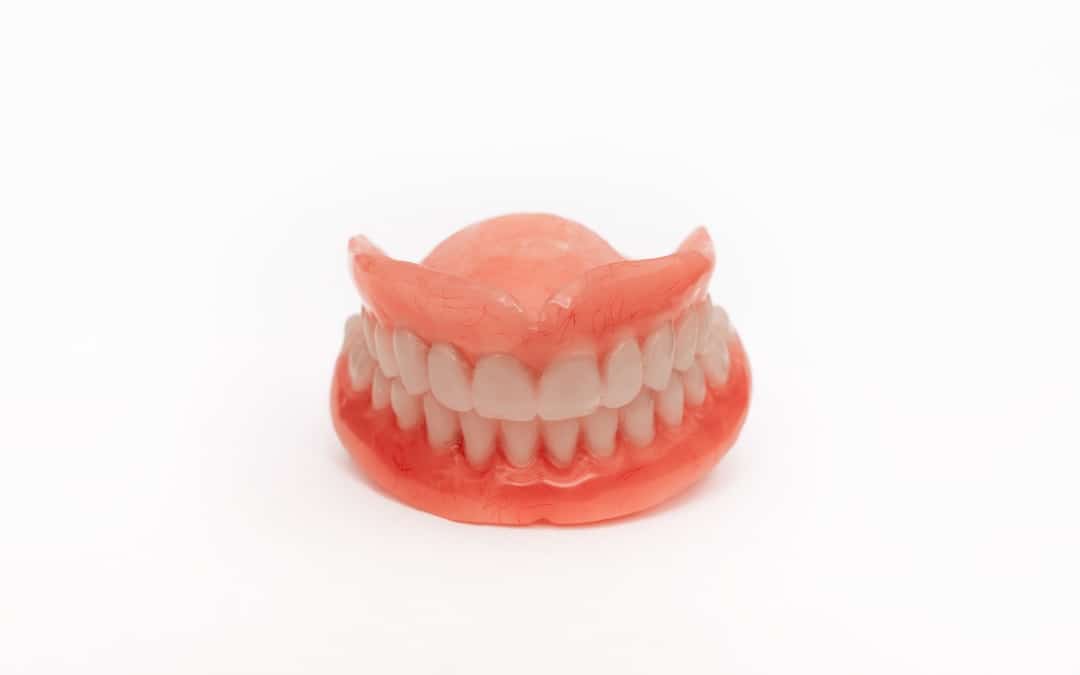
Your dentures may feel like a small part of your daily routine, but when they stop fitting properly, you notice it quickly. Eating becomes less comfortable, speaking may feel different, and you may even become more aware of your smile. If you have had the same dentures for several years, you may be wondering how often should you replace dentures and whether it is really time for a new set.
There is no universal expiration date for dentures. However, age, daily wear, changes in your gums and jaw, and the condition of the denture itself can all affect when replacement makes sense. For people in Mesa, AZ, a regular dental evaluation can help determine whether your dentures need a simple adjustment, repair, or complete replacement.
How Long Do Dentures Last?
A common guideline is to have removable dentures evaluated for replacement once they have been in use for about five years. The American College of Prosthodontists lists more than five years of use as one reason to have dentures evaluated.
That does not mean every person needs new dentures on their fifth anniversary. Some dentures may need attention sooner, while others may remain usable for longer.
The bigger issue is how well your dentures are working. Your mouth changes over time, particularly after tooth loss. The gums and bone supporting your dentures can gradually change shape, which may leave an older denture feeling loose even if it looks perfectly intact.
Signs You Need New Dentures
You do not have to wait until a denture cracks in half before considering replacement. There are several signs you need new dentures that are easier to notice in everyday life.
Your Dentures Feel Loose
If your dentures slide when you talk, laugh, or eat, their fit may have changed. Using more adhesive than you used to may also indicate that the denture no longer fits as well as it once did.
You Develop Frequent Sore Spots
Occasional irritation can happen, but recurring sore areas should not simply be accepted as part of wearing dentures. An ill-fitting denture can repeatedly rub against the soft tissues of your mouth.
The Denture Teeth Look Worn
Years of chewing can wear down artificial teeth. Flattened or heavily worn teeth may affect how your upper and lower dentures come together and can make eating less comfortable.
Your Denture Is Cracked or Damaged
A small problem may sometimes be repaired. However, repeated cracks, broken teeth, or a damaged denture base may make replacement a more practical option.
When to Replace Dentures Instead of Repairing Them
Knowing when to replace dentures can be confusing because not every problem requires a completely new appliance.
A dentist may recommend a repair or adjustment when the denture is generally in good condition and the problem is limited. In other situations, replacing old dentures may provide a better long-term result, especially when the fit has changed substantially or the denture has become worn.
The American Dental Association notes that dentures that no longer fit properly may need to be relined or replaced rather than relying on adhesive as a permanent solution.
If you are searching for a dentist Mesa patients can turn to for denture concerns, an evaluation can help determine which option fits your situation.
How to Make Your Dentures Last Longer
Good denture maintenance will not stop natural changes in your mouth, but it can help protect your dentures and keep them cleaner.
Clean Them Every Day
Remove food particles and buildup with a soft brush and an appropriate denture cleanser. Avoid abrasive household products that could scratch the denture surface.
Keep Them Moist
When removable dentures are not being worn, keep them in water or a suitable denture-soaking solution. Avoid hot or boiling water because heat can change the shape of the appliance.
Take Care of Your Mouth, Too
Caring for dentures is only part of the routine. Gently clean your gums, tongue, and the roof of your mouth. If you have remaining natural teeth, continue brushing and cleaning them as recommended by your dentist.
Handle Dentures Carefully
Dentures can break when dropped. Cleaning them over a towel or a sink containing some water can reduce the chance of damage if they slip from your hands.
What About the Cost of Replacing Dentures?
The cost of replacing dentures depends on several factors, including whether you need full or partial dentures, the materials used, laboratory costs, adjustments, and dental insurance coverage.
It is worth having an evaluation before assuming that you automatically need an entirely new set. Depending on the condition of your dentures, a reline, repair, or adjustment may be appropriate.
Putting off an evaluation because your dentures still technically work can also allow a minor fit problem to become a persistent source of discomfort.
What the Numbers Tell Us About Dentures
Denture use is widespread in the United States. The American Dental Association reports that more than 36 million Americans are edentulous, meaning they have no natural teeth, and approximately 90% of people who are edentulous use dentures. The ADA also reports that about 15% of the edentulous population has dentures made each year.
These figures put denture replacement into perspective. Dentures are not necessarily a one-time purchase. As the mouth changes and appliances wear, maintenance, adjustment, and eventual replacement can become part of long-term oral care.
Keeping Your Smile Comfortable
There is no single answer to how often should you replace dentures because every mouth and every denture is different. What matters most is whether your dentures continue to fit comfortably, function properly, and support your everyday needs.
If your dentures have become uncomfortable or you cannot remember the last time they were professionally evaluated, now may be a good time to have them checked. Rauch Family Dentistry can help you understand whether adjustment, repair, or denture replacement makes sense for your situation in Mesa, AZ.
Schedule an appointment to discuss your dentures and your options for comfortable, practical care.
Frequently Asked Questions
How often should you replace your dentures?
Dentures should generally be evaluated for replacement around five years of use, although the right timing varies from person to person. Damage, poor fit, discomfort, and significant wear may mean replacement is appropriate sooner.
Can dentures last longer than five years?
Yes. Five years is a useful evaluation point, not an automatic expiration date. If your dentures remain comfortable, stable, functional, and in good condition, your dentist may recommend continuing to use them.
Is it normal for old dentures to become loose?
It can happen. Changes in the gums and underlying jawbone can affect the way dentures fit. Persistent looseness, however, deserves professional attention.
Can I fix loose dentures with more adhesive?
Adhesive may provide additional retention for properly fitting dentures, but it should not be used to hide a significant fit problem. If you increasingly depend on adhesive, ask your dentist whether your dentures need adjustment, relining, or replacement.
How can I tell whether I need new dentures?
Look for changes such as frequent soreness, slipping, difficulty chewing, worn teeth, cracks, discoloration, or a noticeable change in comfort. A dental examination can determine whether repair or replacement is appropriate.