

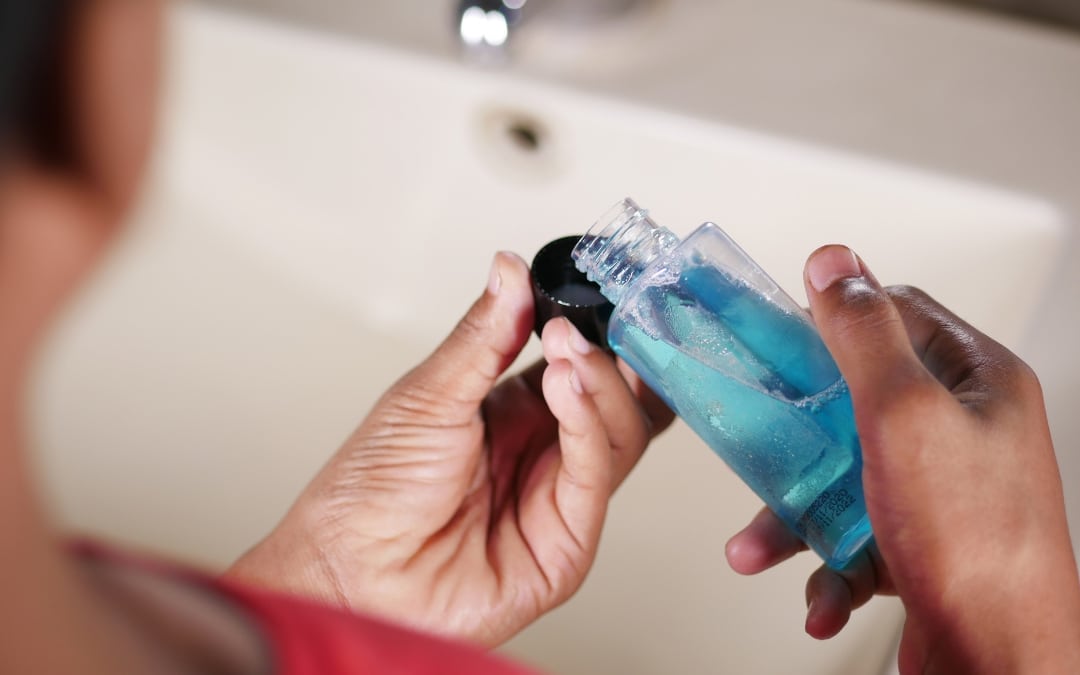
Having a tooth removed is a common dental procedure, but what you do afterward can make a big difference in how comfortably you heal. One question many patients have is, “When can I start using mouthwash again?” While the exact timing can vary, protecting the extraction site during the first few days is especially important. Knowing when to rinse, what to use, and what to avoid can help support a smoother recovery.
Why Should You Wait to Use Mouthwash?
After a tooth is removed, your body naturally forms a blood clot inside the empty socket. This clot acts as a protective covering over the underlying bone and nerves while new tissue begins to develop.
Rinsing too soon or swishing too aggressively can loosen this clot. If the clot becomes dislodged before the socket has had a chance to heal, you may develop dry socket. This condition can cause significant discomfort and may extend the healing process. For this reason, avoiding unnecessary movement around the extraction site is one of the most important parts of early aftercare.
Avoid Mouthwash During the First 24 Hours
For the first day following an extraction, it is generally best to avoid mouthwash and vigorous rinsing altogether. Even though you may want to clean your mouth, forceful swishing can interfere with the clot that is forming in the socket.
During this initial period, give the extraction site time to settle. Drink water carefully, but do not use a straw because the suction can place pressure on the healing area. It is also wise to stay away from very hot, spicy, or irritating foods that could disturb the site.
When Can You Start Rinsing?
In many cases, gentle rinsing can begin after the first 24 to 48 hours. Rather than immediately returning to your regular commercial mouthwash, your dental provider may recommend a mild saltwater rinse.
To make one, dissolve about half a teaspoon of salt in a glass of warm water. Take a small amount into your mouth and allow it to move gently around the mouth without vigorous swishing. When you are finished, avoid forceful spitting. Instead, let the liquid drain from your mouth naturally.
Is Regular Mouthwash Safe After an Extraction?
Once the initial healing period has passed, ask your dental provider before returning to your usual mouthwash. Some commercial rinses contain alcohol or other ingredients that may be irritating to freshly healing tissue.
An alcohol-free antibacterial rinse may be more appropriate in some situations. Depending on the extraction and your individual needs, your dentist may also recommend or prescribe a medicated rinse. The right product and timing can depend on factors such as the location of the tooth, the complexity of the extraction, and how the socket is healing.
When Should You Contact Your Dentist?
Some tenderness, swelling, and mild discomfort can occur after an extraction. However, symptoms that become severe or worsen instead of improving should not be ignored.
Contact your dental provider if you develop increasing pain, significant swelling, persistent bleeding, a bad taste, or an unpleasant odor from the extraction area. These symptoms can sometimes be associated with dry socket or infection and may require professional evaluation.
How Should You Clean Your Mouth While the Socket Heals?
Keeping the rest of your mouth clean is still important after an extraction. You can continue brushing your other teeth, but be gentle and use a soft-bristled toothbrush. Take care around the extraction area and avoid brushing directly over the socket until your dentist tells you it is safe.
Flossing can also continue in areas away from the extraction site. However, avoid aggressive flossing or manipulating the healing area. Maintaining good oral hygiene without disturbing the socket can help lower the chance of bacterial buildup while your mouth recovers.
If you have questions about your recovery or are unsure when to resume your normal oral-care routine, a dentist in Mesa can examine the extraction site and provide guidance based on how it is healing. Personalized instructions can be particularly important if you had a complicated extraction, multiple teeth removed, or stitches placed.
Does Everyone Heal at the Same Rate?
Not necessarily. The recommended timeline for using mouthwash can differ from one patient to another. A straightforward extraction may heal differently from a surgical extraction, and factors such as stitches, multiple extractions, and your overall oral health can affect your aftercare instructions.
Because of these differences, your dentist’s specific recommendations should take priority over general guidelines. If you were given written instructions after your procedure, follow them carefully and contact the dental office if anything is unclear.
When Can You Return to Your Normal Oral-Care Routine?
As the extraction site heals, you can gradually return to your usual brushing, flossing, and rinsing habits. If your dentist approves mouthwash, choosing an alcohol-free product may help reduce irritation while maintaining fresh breath and oral cleanliness.
Continue brushing twice a day and cleaning between your teeth regularly. Routine dental visits are also important because they allow your dental team to monitor your oral health, address developing problems early, and help reduce the likelihood of needing another extraction in the future.
Final Thoughts
Mouthwash can be useful for maintaining oral hygiene, but timing matters after a tooth extraction. Give the blood clot time to stabilize, avoid vigorous rinsing during the first 24 hours, and begin gentle rinsing only when your dental provider says it is appropriate. Saltwater rinses may be recommended during the early healing period, while commercial mouthwash should be reintroduced according to your dentist’s guidance.
Following your aftercare instructions, keeping the rest of your mouth clean, and paying attention to unusual symptoms can help support a comfortable recovery. Schedule an appointment at Rauch Family Dentistry to discuss your tooth extraction recovery and personalized aftercare needs.
Frequently Asked Questions
Can I use mouthwash immediately after a tooth extraction?
No. It is generally recommended to avoid mouthwash and vigorous rinsing during the first 24 hours. Rinsing too aggressively can disturb the blood clot that helps protect the extraction socket.
When can I rinse with salt water after a tooth extraction?
Many dentists recommend beginning gentle warm saltwater rinses after the first 24 hours. However, follow the specific instructions provided by your dental provider, particularly after a surgical extraction.
How do I make a saltwater rinse after an extraction?
Mix approximately half a teaspoon of salt into a glass of warm water. Gently move the solution around your mouth without forceful swishing, then allow it to drain out rather than spitting forcefully.
Can mouthwash cause dry socket?
Rinsing vigorously too soon after an extraction can disturb or dislodge the blood clot, which can contribute to dry socket. This is why avoiding forceful rinsing during the early healing period is important.
Should I use alcohol-based mouthwash after tooth extraction?
Alcohol-containing mouthwashes may irritate the healing extraction site. Ask your dentist whether an alcohol-free rinse is more appropriate for you and when you can safely begin using it.
What happens if I accidentally rinse after an extraction?
If you accidentally rinse once, do not panic. Avoid further vigorous rinsing and follow your aftercare instructions. If you develop significant bleeding, worsening pain, or other concerning symptoms, contact your dental provider.
Can I brush my teeth after having a tooth removed?
Yes, you can generally continue brushing the teeth away from the extraction site. Use a soft-bristled toothbrush and be careful not to disturb the socket during the early stages of healing.
How do I know if something is wrong after an extraction?
Increasing or severe pain, persistent bleeding, worsening swelling, foul taste, or unpleasant odor can be warning signs that need professional attention. Contact your dentist if these symptoms occur.