

When you lose a tooth, you may notice changes in the way you eat, speak, or smile. Losing several teeth can make these everyday challenges even more noticeable. Fortunately, dental implants have changed the way dentists approach tooth replacement. They can provide a stable foundation for replacement teeth and help patients regain comfortable oral function.
This often leads to an important question: Can you have a dental implant for every tooth? The short answer is yes, in certain situations. However, replacing every missing tooth with an individual implant is not always necessary. Depending on your needs, a different implant treatment may provide a better solution.
What Exactly Is a Dental Implant?
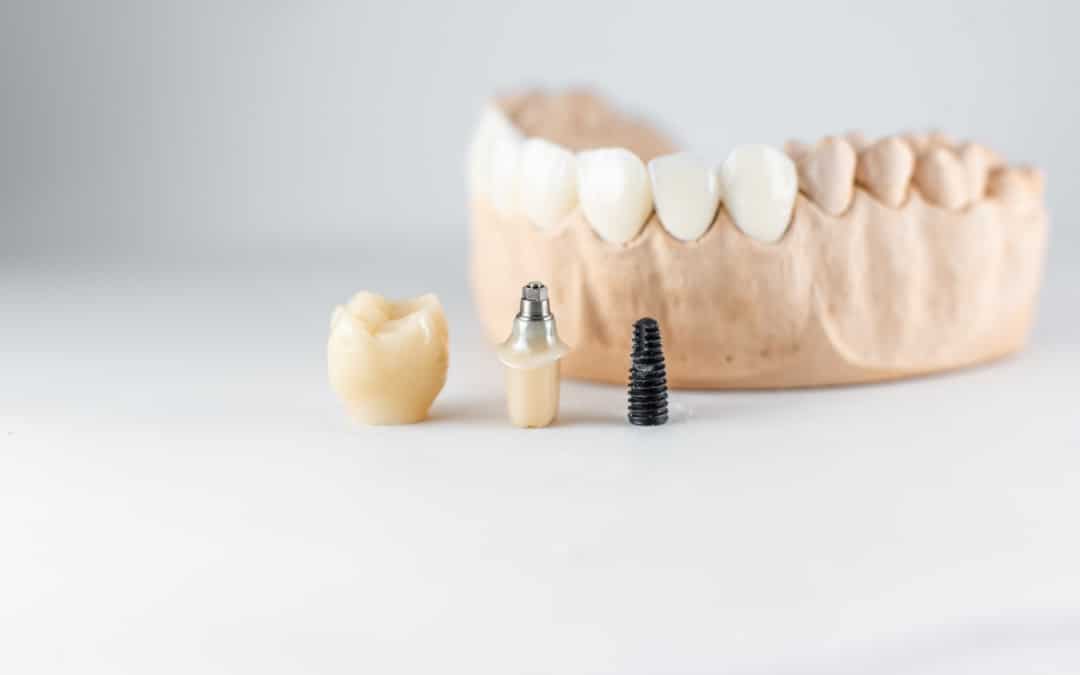
A dental implant is a small post that is placed into the jawbone in the space left by a missing tooth root. Once the area heals, the implant can be used to support a replacement tooth or several replacement teeth.
An implant itself is not the visible tooth. It acts more like the foundation underneath the restoration. A crown can be placed over an individual implant, while multiple implants can be used to support a bridge or a full-arch restoration.
If you are researching dental implants in Mesa, it is important to remember that there is no single treatment plan that works for every patient. Your dentist will first evaluate your mouth and then recommend an approach based on your specific circumstances.
Can You Really Have an Implant for Every Tooth?
Yes, individual implants can be used to replace individual teeth. For someone who has lost several teeth in different areas of the mouth, this may be a reasonable option.
However, replacing an entire mouth with one implant for every tooth is usually not the first choice. It would require a large number of implant placements and may involve more surgery, healing, maintenance, and expense.
When many teeth need to be replaced, a dentist in Mesa may recommend using a smaller number of implants to support several replacement teeth. This can provide the stability of implant treatment without requiring an implant beneath every tooth.
Why Isn’t One Implant Needed for Every Tooth?
It helps to think of dental implants as support structures. A replacement tooth does not always need its own separate implant underneath it.
For example, two or more implants can support a dental bridge that replaces several missing teeth. Likewise, multiple implants can be positioned throughout an arch and used to secure a complete set of replacement teeth.
The number and position of implants are carefully planned. Your dentist may consider your available bone, bite, facial structure, the location of missing teeth, and the type of restoration being considered.
What Does Your Dentist Check Before Implant Treatment?
Before moving forward, your dentist needs to make sure your mouth can properly support the planned restoration. Several factors can influence your treatment.
The Condition of Your Jawbone
Your jawbone needs to provide enough support for the implants. When a tooth has been missing for a long time, the bone in that area can gradually decrease. If there is not enough bone for an implant, additional treatment may sometimes be needed before placement.
The Health of Your Gums
Your gums should be in good condition before implant surgery. Existing gum problems may need to be treated first because healthy tissues are important for maintaining the area around an implant.
Your General Health
Your overall health can affect how your body responds to surgery and healing. Your dentist will review relevant health information, medications, and lifestyle factors before developing your treatment plan.
Your Bite
Your upper and lower teeth need to work together properly. Your dentist may examine your bite and jaw movement to determine how your replacement teeth should be designed and positioned.
What Are Your Options If You Need Many Teeth Replaced?
You do not necessarily have to choose between traditional dentures and an implant for every missing tooth. There are several approaches that can be considered.
Full-Arch Implant Restoration
A full-arch restoration replaces an entire row of teeth with a prosthesis supported by strategically placed implants. It can be a suitable option for patients who have lost most or all of the teeth in an arch.
Implant-Supported Dentures
Implant-supported dentures use implants to help keep a denture from shifting as much during normal activities. Depending on the design, the denture may be removable or secured in place according to the treatment plan.
Implant-Supported Bridges
A bridge can replace several neighboring teeth while being supported by fewer implants than the number of teeth being replaced. This can be useful when multiple teeth are missing next to one another.
Individual Implant Crowns
If you have a few missing teeth that are separated from one another, individual implants may make sense. Each implant can support its own crown without placing a burden on the neighboring natural teeth.
What Are the Advantages of Implant-Based Tooth Replacement?
When implants are appropriate, they can offer benefits that go beyond filling empty spaces in your smile.
- A more secure smile: Implant-supported restorations are anchored in place, which can make them feel more stable while eating and speaking.
- Improved chewing: Replacing missing teeth can make biting and chewing more comfortable.
- A natural appearance: Modern replacement teeth can be designed to blend naturally with your smile.
- Jawbone support: Implants provide stimulation to the jawbone around the implant site, which can help reduce the bone deterioration associated with tooth loss.
- Long-term treatment: Dental implants are intended to provide a durable foundation for tooth replacement when they are properly cared for.
Is Full-Mouth Implant Treatment Right for You?
There is no universal answer. One patient may benefit from individual implants, while another may be better suited to a full-arch restoration supported by several implants.
Your treatment plan should be based on what will work best for your mouth rather than simply the number of teeth you need to replace. A dental examination, imaging, and discussion about your goals can help determine the most appropriate path.
Find the Right Tooth Replacement Option for Your Smile
You may be able to replace every missing tooth with an implant, but that does not mean you need one implant for every tooth. In many cases, a thoughtfully designed combination of implants and replacement teeth can restore an entire smile with fewer implants.
Rauch Family Dentistry can evaluate your oral health, discuss your goals, and help you understand which tooth replacement options may be appropriate for you. Schedule an appointment today to learn more about dental implants and your options for restoring your smile.
Frequently Asked Questions
Can I get a dental implant for every missing tooth?
Yes, individual implants can replace individual missing teeth. However, when most or all teeth are missing, your dentist may recommend a solution that uses fewer implants to support a larger restoration.
How many implants are needed to replace a full set of teeth?
The number varies. It depends on your bone structure, oral health, bite, and the type of restoration selected. Your dentist will determine the appropriate number after evaluating your mouth.
What if I have experienced bone loss?
You may still be a candidate for implants. In some cases, bone grafting or another procedure may be recommended to improve the available foundation before implant placement.
Are implant-supported dentures the same as traditional dentures?
No. Traditional dentures rest on the gums and are removable. Implant-supported dentures receive additional support from implants, which can help improve stability.
Do dental implants look like natural teeth?
Replacement teeth can be designed to closely resemble natural teeth in shape, size, and color. Your dentist will consider your existing teeth and facial appearance when planning the restoration.
How should I care for dental implants?
Good daily oral hygiene and routine dental visits are important. Your dentist will also provide specific instructions for cleaning and maintaining your implant restoration.