

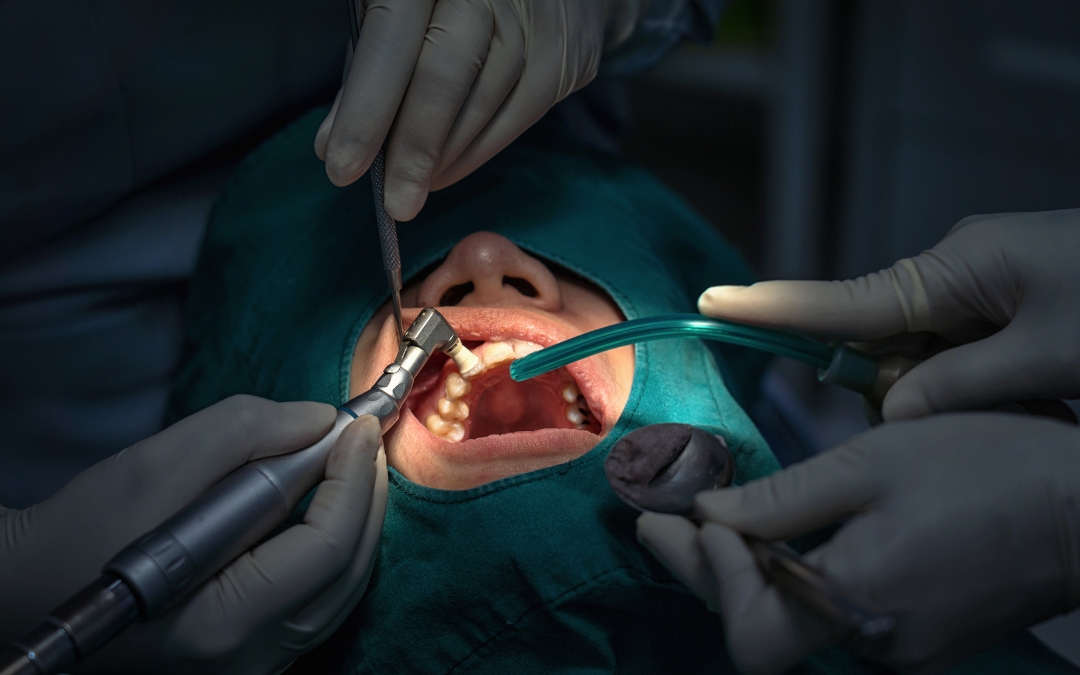
Dental pain can creep in quietly and become impossible to ignore. Whether it’s a toothache that just won’t go away or swelling that changes how you chew or speak, it can be hard to know when discomfort crosses the line into something more serious—something that might require oral surgery in Mesa.
Oral surgery can sound intimidating, but it’s often a straightforward and essential part of maintaining your dental health. Understanding when it’s necessary can save you from long-term problems and more complicated procedures down the line. If you’re in Mesa, AZ, and wondering whether that persistent pain or jaw clicking needs a closer look, this guide will help you understand the signs and what to do next.
What Is Oral Surgery?
Oral surgery includes any surgical procedure performed in or around your mouth and jaw, often by a dental specialist like an oral and maxillofacial surgeon. Common oral surgery procedures include:
-
Tooth extractions (including wisdom teeth)
-
Dental implants
-
Treatment for jaw disorders
-
Corrective jaw surgery
-
Biopsies or lesion removal
These procedures are sometimes necessary to address structural problems, manage infections, or support other treatments like braces or dentures.
Signs You Might Need Oral Surgery
1. Impacted Wisdom Teeth
If your wisdom teeth are causing pain, swelling, or are partially erupted, they could be impacted. This means they are stuck beneath the gums or growing at an angle, which can damage nearby teeth or lead to infection. In many cases, a dental surgery consultation in Mesa will help determine whether removal is needed.
2. Persistent Tooth or Jaw Pain
Pain that doesn’t go away with brushing, flossing, or medication could be a sign of infection, decay, or damage deep within a tooth. Sometimes, root canals aren’t enough—and oral surgery becomes the next step.
3. Jaw Misalignment or TMJ Disorders
Clicking, popping, or locking of the jaw may point to issues with the temporomandibular joint (TMJ). Surgical treatment might be needed if conservative approaches like physical therapy or bite guards aren’t effective.
4. Missing Teeth and Bone Loss
If you’re missing a tooth or multiple teeth, dental implants are often recommended to restore function and appearance. But successful implants often require bone grafting—an oral surgery procedure that builds up your jawbone to support the implant.
Data Insight: According to the American Association of Oral and Maxillofacial Surgeons, nearly 69% of adults between the ages of 35 and 44 have lost at least one permanent tooth due to injury, gum disease, or decay.
5. Oral Infections or Abscesses
A painful lump, swelling, or pus in the gums could indicate an abscess or other serious oral infection. In some cases, oral surgery is required to drain the infection and prevent it from spreading.
6. Facial Injuries or Trauma
Injuries from accidents—like broken facial bones or damaged teeth—might call for surgical intervention to restore function and appearance. This includes setting fractures or performing reconstructive dental surgery.
Local Considerations for Oral Surgery in Mesa, AZ
In Mesa, where dry heat can contribute to oral dehydration, locals may face increased risks of issues like dry mouth, tooth decay, or gum disease—conditions that may eventually require oral surgery. Access to experienced oral surgeons or dentists means that residents don’t need to delay care.
When you choose a provider for oral surgery, look for:
-
Board-certified oral and maxillofacial surgeons
-
In-office sedation or anesthesia options
-
Comprehensive consultation and imaging services
-
Coordination with your general dentist or orthodontist
Frequently Asked Questions
How do I know if oral surgery is necessary?
If you’re experiencing chronic pain, swelling, difficulty chewing, or changes in your bite, it’s time to see a dentist. Only a professional can determine if oral surgery is the best treatment path.
Is oral surgery painful?
Modern techniques and sedation options make oral surgery far more comfortable than most expect. Post-surgical discomfort is normal, but manageable with medications and rest.
How long is recovery after oral surgery?
Recovery varies depending on the procedure. Simple extractions may require a few days, while more complex surgeries like jaw correction may take several weeks.
Can I avoid oral surgery with early dental care?
In some cases, yes. Regular check-ups can help catch issues before they require surgical treatment. But certain conditions—like impacted teeth or trauma—may still need surgery despite early care.
When to Seek Help
Ignoring symptoms like pain or swelling can lead to more complicated health issues. Whether you’re unsure about that aching molar or just want peace of mind, it’s worth getting a professional opinion. Mesa residents have access to skilled oral surgeons who are ready to evaluate, advise, and provide relief when needed.
Final Thoughts
Knowing when oral surgery is necessary can help you act early and protect your dental health. Whether it’s a persistent issue or a sudden injury, don’t ignore what your mouth is telling you.
If you’re in Mesa and think you may need oral surgery, take that first step toward relief and recovery. Schedule an appointment today and speak with a Mesa oral surgery provider you can trust.